
An interview with Target Ovarian Cancer.
25 February 2026
Tell us about how Target Ovarian Cancer was started.
Target Ovarian Cancer was founded in 2008 with the ambition of transforming the lives of those with ovarian cancer. We were founded with focus on educating people about the symptoms of ovarian cancer, training General Practitioners and funding life-saving research. We continue to make a difference through our campaigns, our support and information services and our work on improving diagnosis.
What are your main priorities and programs supporting those affected by ovarian cancer?
One of our key priorities is improving survival by ensuring ovarian cancer is diagnosed earlier. We work closely with GPs, who are at the heart of early diagnosis, to support faster recognition and referral. We also campaign for government-funded symptom awareness campaigns so more people recognise the signs of ovarian cancer and feel confident speaking to their GP. Alongside this, we work to identify improvements that can be made across the diagnostic pathway to help ensure women receive timely and accurate diagnoses.
We provide information and support for everyone affected by ovarian cancer through our written resources, nurse-led support line, online communities and in-person peer support groups. Our groundbreaking Pathfinder research tracks awareness and people’s experiences of diagnosis, treatment and support, helping to build the evidence needed to drive change. We also campaign for improvements with the support of a network of more than 10,000 campaigners.
What are the most significant challenges facing your community when it comes to ovarian cancer?
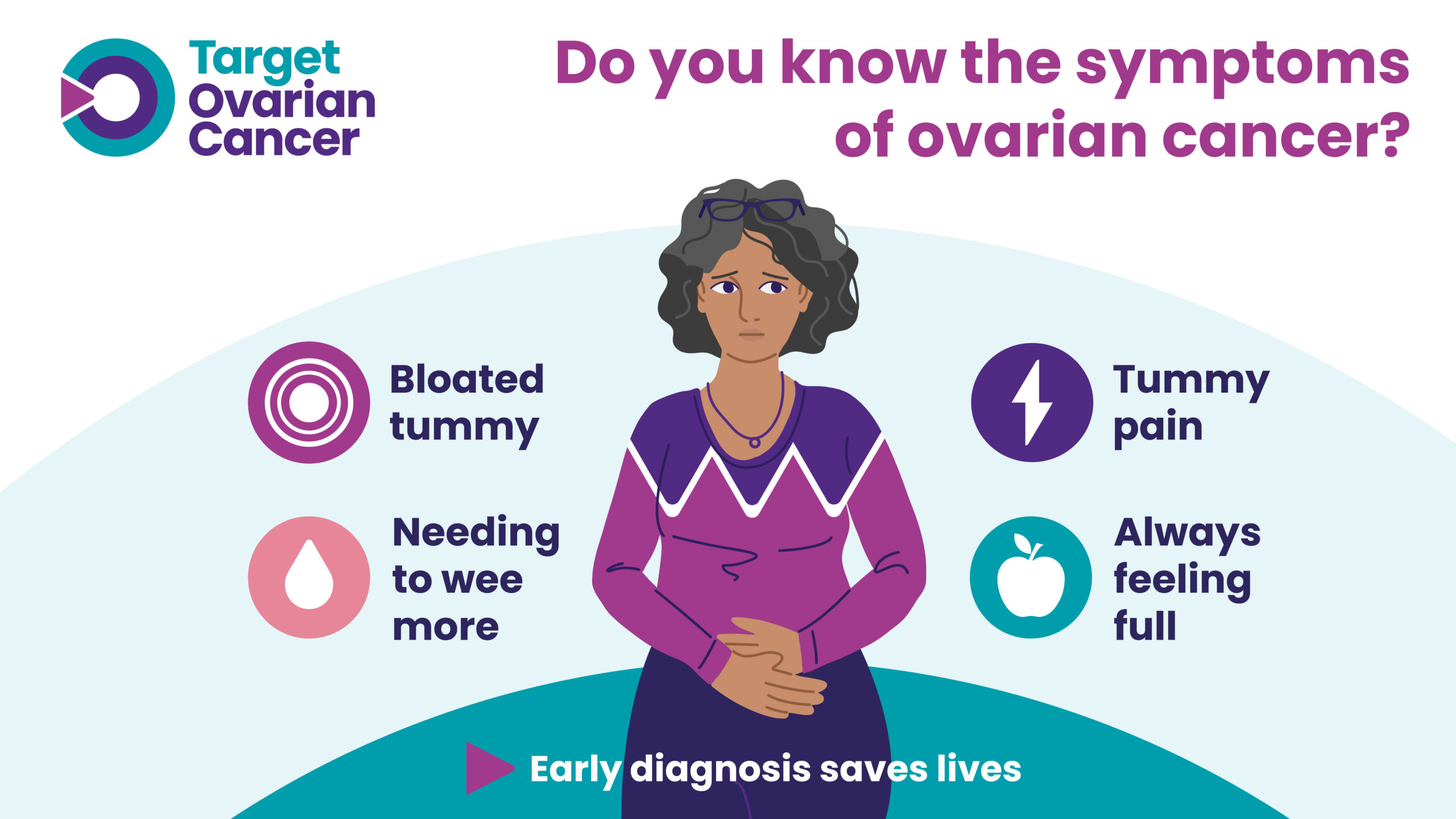
We see significant challenges around awareness and timely diagnosis. Symptom awareness remains low, which can delay people seeking help. For example, only around 20 per cent of women recognise persistent bloating as a possible symptom of ovarian cancer, and 40 per cent of women in the UK mistakenly believe cervical screening can detect ovarian cancer. As a result, too many diagnoses happen through emergency routes. Around 40 per cent patients have an emergency admission before diagnosis, and only 61 per cent of this group go on to receive treatment. Early diagnosis is still far too uncommon, with only about a third of cases identified at stage 1.
There are also ongoing variation in access to treatment, care, and support. Treatment rates vary widely across England, with a 34% gap between areas with the highest and lowest rates. Fewer than a quarter of patients report ever being asked if they would like to take part in a clinical trial, limiting opportunities to access new treatments. Many people also struggle to find the support they need after diagnosis. Our Pathfinder research found that nearly half of those diagnosed were never signposted to a charity or patient support organisation, meaning many miss out on valuable information and support.
Can you share an initiative or achievement that you are particularly proud of and that highlights the impact Target is having? (This could be about the National Cancer Plan being launched in England)
Our influencing work is having far reaching impact. Most recently we have seen the publication of a new ambitious 10 year cancer plan for England. A new dedicated cancer plan was one of our keys calls to the government after the election in 2024. We were contributed to the plan throughout its development through written evidence workshops and our influencing work, making sure that the voices and experiences of those impacted by ovarian cancer were heard.
The plan saw several specific commitments to ovarian cancer including ovarian cancer being identified as a cancer that requires significant effort to improve survival , better ovarian cancer data with ovarian cancer being reported separately across key measures and better access to testing for BRCA1 and 2 genetic variation. There are also other commitments that will improve ovarian cancer outcomes including a focus on increasing the proportion of cancers diagnosed at stage 1 and 2 and cancer manuals that lay out what good care should look like. Target Ovarian Cancer will over the course of the plan be working our community and the government to turn the ambitions in the plan into real outcomes.
You can learn more about Target Ovarian Cancer on their website: https://targetovariancancer.org.uk/