Background and Approach
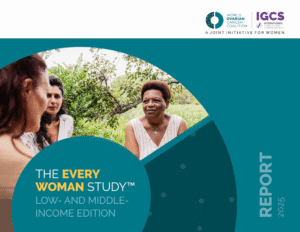
The Every Woman Study™ Low-and Middle-Income Edition (EWS-LMIC) is a joint initiative between the World Ovarian Cancer Coalition (the Coalition) and the International Gynecologic Cancer Society (IGCS), highlighting the significant challenges and disparities women with ovarian cancer face. A total of 2,446 women in 22 low- and middle-income countries, where 70% of those diagnosed with ovarian cancer around the world live, participated in this study which combined patient-reported data with clinical insights. It is the first comprehensive picture of the lived experiences of women with ovarian cancer in LMIC.
Read The Report of the EWS-LMIC here.
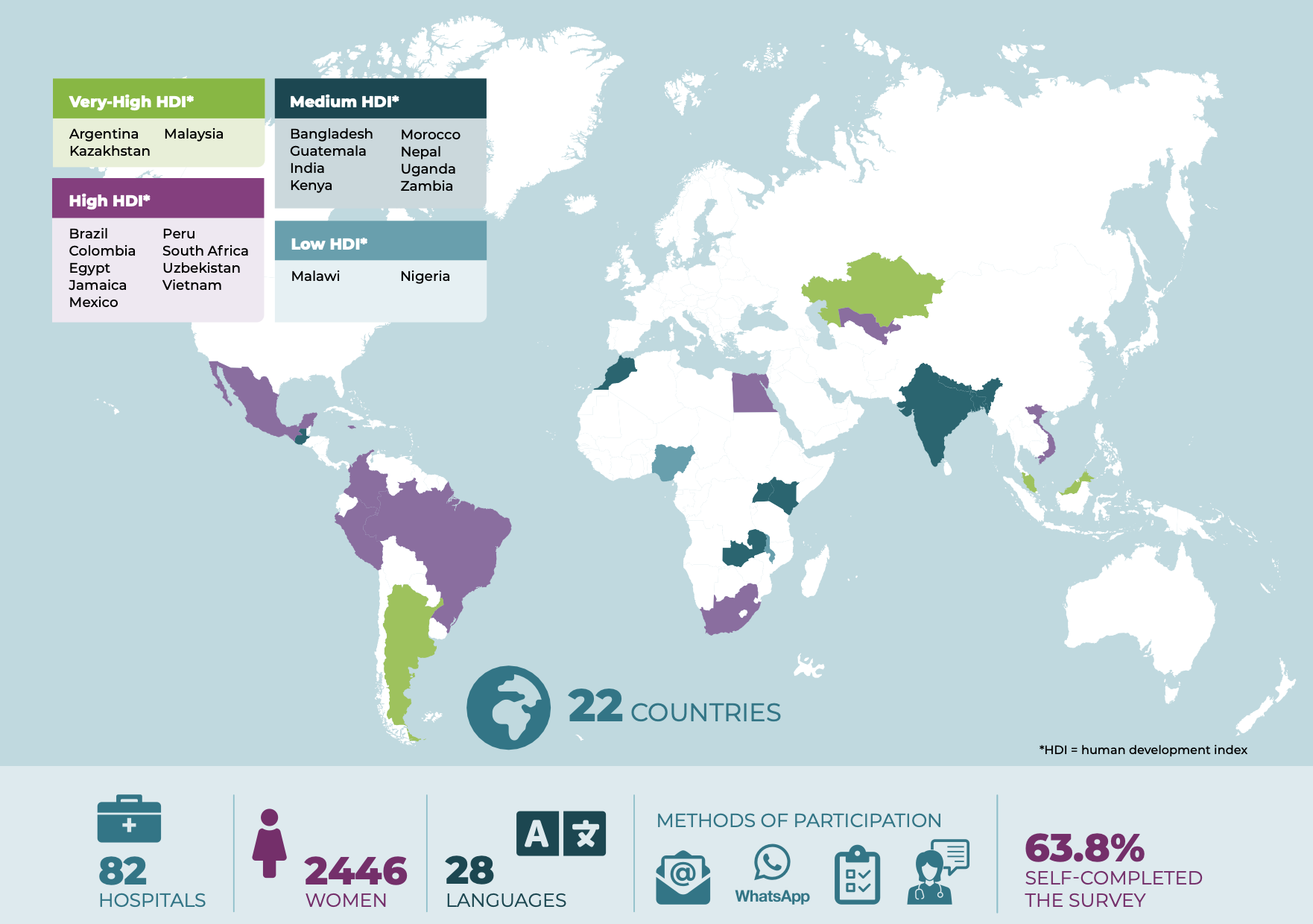
The study was run through a group of hospital clinics in these participating countries: Argentina, Bangladesh, Brazil, Colombia, Egypt, Guatemala, India, Jamaica, Kazakhstan, Kenya, Malaysia, Malawi, Mexico, Morocco, Nepal, Nigeria, Peru, South Africa, Uganda, Uzbekistan, Vietnam, and Zambia. Women within five years of their diagnosis were invited to participate either by interview, paper survey or a secure online link to the survey which covered their knowledge of the disease, route to diagnosis, treatment, personal priorities and their information, emotional and practical support needs.
This study is a valuable and much needed follow on to the first Every Woman Study carried out by the Coalition in 2018. Published in the International Journal of Gynecological Cancer, the 2018 study included responses from 1531 women from 44 countries and represented the largest ever global survey of women living with a diagnosis of ovarian cancer. The study was hugely impactful, but did not include sufficient responses from women living in low- and middle-income countries. The Coalition and IGCS joined forces again to address this gap in our understanding of the experiences of women living with ovarian cancer in LMICs.
For the LMIC edition of the study, the methodology was adapted to make the study much more accessible and relevant to this setting. For example, the survey, which was translated into 28 languages, was disseminated through hospital clinics and women could respond in different ways, including on social media platforms.
The Findings
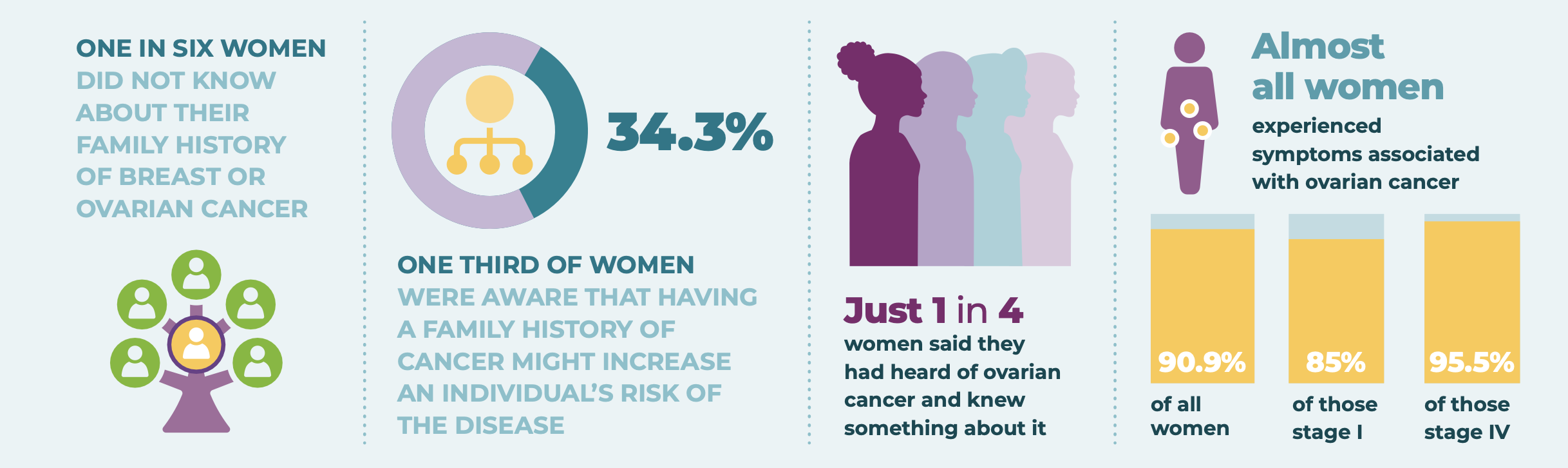
- Low awareness: Just one in four women said they had heard of ovarian cancer and knew something about it before their diagnosis. This varied by country (from 3.3% to 63.2%)
- Financial impact: For almost a third of women, family income fell below what they needed to live on. Three quarters of women said their family finances were affected either greatly or to some extent
- Access barriers: A third of women travelled more than two hours to reach treatment; 14.6% travelled more than five hours
- Limited genetic testing and treatment: Access to advanced treatments like PARP inhibitors and genetic testing is extremely limited, especially in African nations
- Route and time to diagnosis: Median time from experiencing symptoms to starting treatment was three months and as much as 11 months in some countries
Calls to Action
Priorities for action will be determined by local results, resources and shared decisions amongst stakeholders. To address the urgent gaps revealed in the study, we propose the following key recommendations that feature in our Report:
- Include ovarian cancer data in registries to drive cancer control plans and local action
- Location of services and workforce expertise/workload must be considered
- Reduce the time to diagnosis
- Make access to the best possible treatment affordable for women
- Increase emotional support for women and access to information
- Educate about the relevance of knowing family history
Published Papers
The Lancet Obstetrics, Gynaecology, & Women’s Health – 11 December 2025: Experiences of Women with Ovarian Cancer in 22 Low- and Middle- Income Countries (Every Woman Study™ LMIC): a Cross-sectional Study
Journal of Cancer Policy – 16 April 2025: Challenges and opportunities in ovarian cancer care: A qualitative study of clinician perspectives from 24 low- and middle-income countries
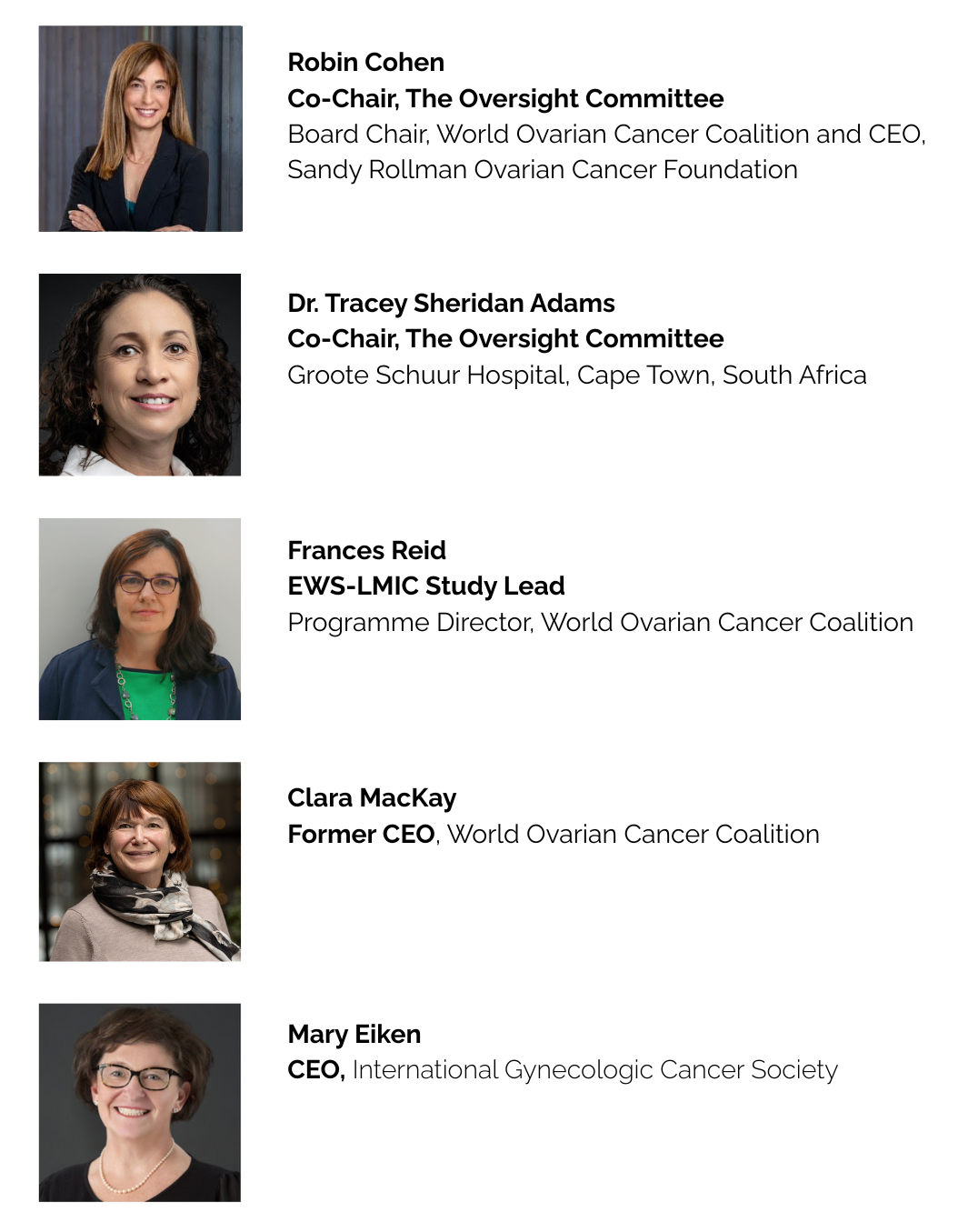
Co-Chairs & Leadership
Insights from the EWS LMIC Country lead clinicians
Clinician leads from Nigeria, South Africa, Egypt, Vietnam, and Kazakhstan discuss the power of data about women’s ovarian cancer experiences to help drive greater awareness of ovarian cancer, policy changes that drive accessibility to genetic testing and treatments, and better outcomes for women.
As Dr. Aisha Mustapha of Nigeria notes, “I believe the EWS-LMIC will serve as a stepping stone to even further collaborations, more research, more impacts for patient care. And I actually see it opening doors for policy makers to recognize ovarian cancer as a huge burden… signing MOUs for genetic testing for ovarian cancer.”
Watch the video here.
Ovarian cancer patients share their stories
Hear from ovarian cancer survivors who live in some of the countries included in the EWS-LMIC. Women from Kenya, Colombia, India and Malaysia relay their personal experiences, reinforcing the study’s findings of low awareness of ovarian cancer among women and clinicians, delays to diagnosis and the lack of accessibility to affordable treatment.
Watch the video here.