Meet our new CEO Christel Paganoni-Bruijns

SHARE

November 3, 2025

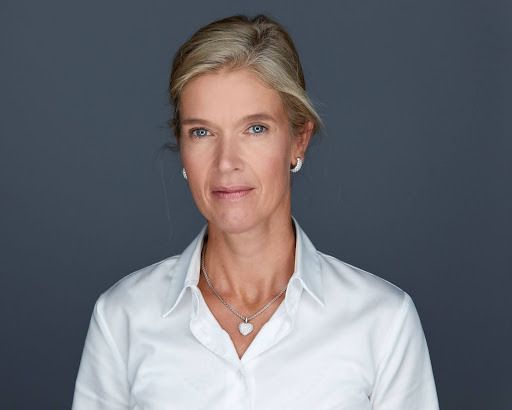
We are delighted to introduce you to our new CEO, Christel Paganoni-Bruijns on her first day at the Coalition. Enjoy this Q & A to learn more about her previous work, her passion for leveraging data and lived experience to influence policy and drive equity, and her priorities for her first 100 days leading the Coalition.  
 

Q: Tell us a little about yourself and your previous work in patient advocacy and community engagement.

I have spent the past two decades working at the intersection of patient advocacy, community engagement, and health systems strengthening – across the non-profit, private, and global health sectors. My career began in social work, counseling families of children with disabilities and participating in cross-cultural learning exchanges in South Africa. That early experience laid the foundation for a career rooted in equity and empathy.

Since then, I have had the privilege of serving in leadership roles at organizations such as Novartis, Takeda, PTC Therapeutics, and Sobi, where I led global and regional patient engagement strategies. Across these roles, I have worked closely with patient communities to ensure their insights are embedded in policy, research, and healthcare decision-making. I’m passionate about transforming data and lived experience into action – and have partnered with multilateral organizations, local advocates, and healthcare systems to develop scalable, community-driven solutions that truly respond to unmet needs.


Q: What drew you to the role of CEO of the World Ovarian Cancer Coalition and what are you looking forward to most?

When I first learned about the Coalition, I was deeply struck by the scale and persistence of ovarian cancer – and how under-recognized it remains globally, despite its devastating impact. Reading through the Coalition’s work, especially the Every Woman Study and the Socioeconomic Burden survey, I was moved by the clear-eyed approach to generating evidence and using it to advocate for change.

I was drawn to the role for many reasons – but what stood out most is the unique opportunity to make a direct and measurable impact on the global mortality rate of ovarian cancer. That is both rare and incredibly meaningful. I welcomed the Coalition`s commitment to equity, strong strategic foundation, and its bold yet grounded vision: a world where everyone living with, or at risk of, ovarian cancer has the best chance of survival and the best possible quality of life.

I look forward to working with this dedicated team and our many partners around the world to continue building momentum – and to ensure that the evidence we have gathered turns into meaningful, measurable progress.


Q: What’s your vision for the Coalition? What is your plan for your first 100 days?

My vision is for the Coalition to evolve as a global intelligence hub – a trusted, evidence-based force that not only amplifies the voices of the ovarian cancer community, but actively drives policy change, systems reform, and measurable reductions in mortality. Clara’s leadership has been nothing short of remarkable. Thanks to her vision and the dedication of the team, WOCC has emerged as a globally respected leader – with a clear strategy and a deep evidence base. That means that we have the foundation – in the data, the partnerships, and the strategy – to accelerate our impact even further.

In my first 100 days, I plan to:

  • Deeply listen and engage with our partners, member organizations, and stakeholders to understand their priorities and insights.
  • Dive into the strategic plan and major initiatives like the Nigeria Pilot, the launch of the Every Woman Study – LMIC Edition, the Biomarker Roundtable, and the Impact Awards.
  • Connect with our ambassadors, donors, advocacy allies, and research collaborators to explore how we can strengthen and diversify our partnerships.
  • Work closely with the Board and team to define what success looks like for this next chapter, particularly in how we turn evidence into action, and how we expand and sustain our funding base.


Q: What excites you about the Coalition?

There is so much – but I’m especially inspired by the Coalition’s ability to combine rigorous evidence with humanity and humility. The work is grounded in the lived experience of people affected by ovarian cancer, and yet it also operates with strategic clarity and global ambition. I also admire the Coalition’s emphasis on equity – including the intentional focus on underrepresented communities and low- and middle-income countries. That’s not only the right thing to do – it’s where the need is greatest, and where the potential for impact is enormous.


Q: On a more personal note, what activities do you enjoy when you’re not working?

Outside of work, I enjoy an active life in Switzerland, where I live with my husband – who is half Italian and half Dutch – and where the mountains and lakes are a dream for a sport fanatic like me. I love cross-country skiing, tour skiing, biking, running, swimming, tennis, and yes – watching sports too! In my next life, I’d love to be an Olympic champion, but in this one, I will stay focused on reducing the global mortality rate of ovarian cancer.

My husband and I enjoy supporting young professionals, staying engaged in local social impact initiatives, and diving into books or podcasts – especially on global affairs. Travel has always been a big part of my life, and I truly believe in learning through people and places. All of this keeps me grounded, inspired, and ready to bring fresh energy into the work I do.



SHARE

World Ovarian Cancer Coalition Announces Appointment of New CEO, Christel Paganoni-Bruijns

SHARE

Toronto – October 29, 2025 – The World Ovarian Cancer Coalition is pleased to announce the appointment of Christel Paganoni-Bruijns as its new Chief Executive Officer, effective 3 November. To ensure a smooth transition, Clara MacKay, Coalition CEO since 2017, will stay on until 10 December. 

Christel brings more than two decades of international leadership experience with a career dedicated to advancing patient engagement and communications. She has held senior roles at Novartis, Takeda, PTC Therapeutics, and Sobi (Swedish Orphan Biovitrum), where she most recently served as Global Head of Community Engagement. 

Board Chair of the World Ovarian Cancer Coalition, Robin Cohen said, “We are thrilled to welcome Christel Paganoni-Bruijns to the Coalition as our new CEO. With a robust global background in patient advocacy, she brings a wealth of experience and a proven commitment to uplifting communities. Christel’s exceptional skills in communications and global partnership-building will be instrumental in amplifying our mission and expanding our reach. We are confident that under her leadership, we will continue to make a significant impact in the lives of those we serve.”

Christel joins the Coalition at a pivotal time. The Socioeconomic Burden of Ovarian Cancer Report as well as the Every Woman Study – Low- and Middle-Income Countries Edition underscore the Coalition’s commitment to shining a light on the disparities in ovarian cancer care and outcomes worldwide, and to building a body of evidence that can be leveraged at the local level to impact healthcare policy. The Nigeria Pilot Project in partnership with NICRAT (National Institute for Cancer Research and Treatment in Nigeria) which launched earlier this month, will serve as a blueprint for future programs to strengthen prevention, early diagnosis, and care for women everywhere.

“I was struck by how devastating – and yet under-recognized – ovarian cancer remains around the world. The high mortality rates are unacceptable, especially when we have the data and insights to drive real change. Thanks to Clara MacKay’s exceptional leadership, the Coalition has built a powerful foundation of evidence, awareness and impact. I am honoured to continue this work, committed to turning evidence into action and supporting our dedicated team and partner organizations in making a meaningful difference for every woman and family affected by this disease,” said Christel Paganoni-Bruijns.

The Board extends their profound thanks to Clara MacKay for her many contributions in her eight years at the helm of the Coalition. Under her guidance and leadership, the Coalition is recognized globally as a world-leading advocacy organization that is raising awareness, catalyzing, and supporting action at the regional level, conducting unprecedented research, and influencing global health policy of ovarian cancer.

About the World Ovarian Cancer Coalition
The World Ovarian Cancer Coalition, the only global not-for-profit organization focused solely on ovarian cancer, was established in 2016 and comprises over 230 patient advocacy group members in 57 countries. We work globally to ensure that everyone living with, or at risk of, ovarian cancer has the best chance of survival and the best quality of life, no matter where they live. To learn more, visit our website and follow us on LinkedIn, Facebook, Instagram, X and YouTube. Listen and subscribe to our podcast, Changing the Ovarian Cancer Story here

Media contacts:

Annabel Deegan, media@worldovariancancercoalition.org

Helen Shik, Helen@worldovariancancercoalition.org


SHARE

Partner Org. Spotlight: MOG Portugal

SHARE

An interview with MOG Portugal.

24 October 2025


Tell us about how MOG Portugal was started.

MOG was founded in December 2019 by two women with ovarian cancer, both named Cláudia. At that time, there was no association in Portugal dedicated to gynaecological cancers – and MOG remains the only one today.

The two Cláudias felt the need to create an organization that could respond to the many questions and concerns of women facing the disease, who found no support in other associations. At the same time, it was necessary to give these cancers a voice before health authorities and to find ways of working together to ensure that all women receive proper diagnosis, treatment, and follow-up – ultimately contributing to improving their quality of life.
The association quickly joined international platforms such as the World Ovarian Cancer Coalition, ESGO-ENGAGe, and IGCS-IGCAN, as well as Portuguese platforms, fostering empowerment, partnerships, and the sharing of expertise.

Born on the eve of the COVID-19 pandemic and the ensuing lockdowns, MOG grew gradually and today – nearly six years later – has almost 600 members, including not only patients but also family members, friends, and supporters of our causes.


What are your main priorities and programs supporting those affected by ovarian cancer?

Our priority is to promote equity among women affected by the disease, ensuring that all have access to the best possible healthcare. For this reason, we regularly bring our demands and proposals to the relevant authorities (Ministry of Health, national medicines agency, Parliament, and political parties).

One example is the petition we organized in 2023 (No Portuguese Woman with Ovarian Cancer Left Behind) calling for equal access to innovative medication (PARP inhibitors). We were able to celebrate that victory the following year.

We also respond to the multiple needs of our members: seeking second opinions, navigating the healthcare system, organizing workshops with doctors and other specialists to clarify doubts, and increasing knowledge and awareness.

Believing that peer support is essential, we organize both in-person and online activities to bring these women together. Every week, we hold an online discussion circle where members can speak openly, sharing both struggles and victories. This is complemented by several WhatsApp groups. We also promote physical exercise as a key element in the cancer journey. We offer classes at our headquarters and participate in several working groups on exercise and cancer.

In parallel, we run awareness campaigns for diverse audiences: from high schools to senior universities, as well as in companies, public institutions, among healthcare professionals, and at health fairs. Our aim is to spread the message of how important gynaecological check-ups are and to encourage women to “listen to their bodies,” understanding that any unusual or persistent symptom must be taken seriously. Our mantra is: “Go to the doctor and take a friend”, as part of our effort to make these topics more visible and widely discussed.


What are the most significant challenges facing your community when it comes to ovarian cancer?

Delayed diagnosis and late-stage detection are among the biggest challenges. This still happens for multiple reasons: women who dismiss symptoms or skip gynaecological check-ups, but also primary care physicians who underestimate symptoms and take too long to refer patients for diagnostic tests. To address this, we have asked the Ministry of Health to create dedicated women’s health consultations within primary care services.

Another major concern is the creation of comprehensive centres for gynaecological cancers, an essential step to reduce regional disparities in medical care, particularly affecting the south and interior of the country.

We also work to improve health literacy. A study in which MOG participated revealed that 44% of Portuguese women do not see a gynaecologist regularly (due to lack of interest, embarrassment, feeling it’s unnecessary, or financial reasons). We are taking action to help change this reality.


Tell us about the photo exhibition that was launched last week in Lisbon. How did it come about and what has the reaction been?

MOG invited its members – women with gynaecological cancers – to show their scars. Our goal was to challenge prejudice and strengthen the self-esteem and self-confidence of those facing these diseases.

Eight women with ovarian cancer joined the project. The photo sessions, held on the beach with two photographers – one woman and one man – were very special moments that expressed companionship, well-being, and unity among the women.

The exhibition, hosted at the Oriente Foundation Museum in Lisbon, provoked deeply emotional reactions and received significant media coverage. Visitors described the images as “powerful,” and the exhibition as one of “courage,” “strength,” “resilience,” and “hope” – even “joy.”

We believe one psychologist’s comment perfectly sums up the audience’s sentiment: “Congratulations and thank you to MOG for this exercise in confronting reality, but also for bringing hope – which is, after all, what life is truly about.”


You can learn more about MOG Portugal on their website: https://mogportugal.pt/


SHARE

World-renowned Journalist Christiane Amanpour Opens Up About Living with Ovarian Cancer

SHARE

CNN Chief International Anchor and her oncologist Dr. Angela George join Changing the Ovarian Cancer Story, a podcast from the World Ovarian Cancer Coalition, for a powerful and inspiring conversation   

TORONTO –  October 23, 2025 – Christiane Amanpour has revealed she is receiving further treatment for cancer. “I have it again. But it’s being very well managed and so this is one of the things that people have to understand about some cancers,” she tells podcast host Hannah Vaughan Jones. The award-winning international journalist was joined by her Consultant Oncologist, Dr. Angela George who is also the Clinical Director of Genomics at the Royal Marsden NHS Foundation Trust in London, a world-leader in cancer care. Amanpour is currently receiving immunotherapy, a treatment which is working effectively for her. In an update following the podcast recording, Dr. George told us that Christiane’s relapsed ovarian cancer is currently in remission under immunotherapy.

One of the most influential women in global news media, Amanpour was diagnosed with ovarian cancer in 2021 and at the time shared the news on her show Amanpour on CNN International – the network’s flagship global affairs interview programme, which also airs across the U.S. on PBS. That year, she underwent successful surgery and chemotherapy treatment.  

In this powerful second episode of Changing the Ovarian Cancer Story titled  “I’d Never Asked for Help Before,” Amanpour and Dr. George talk with Vaughan Jones about the importance of early detection, her treatment, the vital support she’s received and the power of research and science.  

In an emotionally powerful moment, Amanpour, holding back tears, spoke about the tremendous amount of support she’s received since she was diagnosed. “I had never actually asked for help before and when I did, I got it, from my family, from my friends, from my colleagues, from everybody and it was really, well, it was touching but it was really helpful, really amazing. And as I say, it really sustained me because it’s not just the illness, it’s your state of mind, it’s everything.”  

Amanpour described her diagnosis and surgery with candor, crediting her doctors for their swift and expert care. Dr. George provided valuable insight into why ovarian cancer is often diagnosed late and emphasized the importance of genetic testing and awareness. “Most women, by the time they get a diagnosis of ovarian cancer, will have often been going back and forth to the GP for, you know, sometimes a year or so with abdominal symptoms and it often gets misdiagnosed.” 

World Ovarian Cancer Coalition CEO, Clara MacKay says “Christiane’s experience with ovarian cancer will resonate with many, particularly her reflections on asking for help and the emotional impact of her diagnosis. Yet, as she herself notes, in many respects her journey is not typical. For too many women around the world, access to early diagnosis, specialist care, and innovative treatments is out of reach. By speaking so openly about her experience, Christiane shines a light on the urgent need to close these gaps. Her voice, together with Dr. George’s insights underscore why the work of the World Ovarian Cancer Coalition and our global partners is so vital.”  

The World Ovarian Cancer Coalition is the only global not-for-profit organization focused solely on ovarian cancer. Through partnerships, evidence, advocacy and awareness, we work globally to ensure that everyone living with, or at risk of, ovarian cancer has the best chance of survival and the best quality of life no matter where they live.

Amanpour shared her experience with immunotherapy. Dr. George explained more about the treatment. “So, immunotherapy is a treatment that isn’t suitable for all women with ovarian cancer but it does work really well for Christiane’s particular type.” “What immunotherapy does is it basically alerts the body to the fact that cancer cells are there and teaches the body to find the cancer cells and destroy them in the same way that it does other abnormal cells like viruses and bacteria.”

Marielle Nobbenhuis is Amanpour’s gynaecological oncology surgeon who also works at The Royal Marsden in London. The discussion explored the significance for Amanpour of having female medical professionals in her care team whilst also saying she’s had great male doctors. “It ended up being very important because I was completely relaxed and confident in their hands,” said Amanpour. “It’s not that I went out and sought women…but I was really, really grateful.” “It’s helpful, it’s very helpful because I think you operate on a very similar, you know, psychological plane. And I have done a lot of reporting, as you know, about women all over the world. And I know how women are often dismissed in every field or fashion of the human experience.” Dr. George agreed that lived experience can help strengthen patient connections. “I think it really does make a bit of a difference.” “As you say I work with some amazing male colleagues but at the end of the day it is a slightly different conversation with them as it is with another woman and I think a lot of the women do find that more helpful.”

Both women shared what gives them hope. Dr. George said “I think we’re really starting to unpick some of the drivers of cancer. So if you can find the switch that turns the cancer on in the first place, we’re getting much better at finding a switch that can turn it back off.” Amanpour said “We are, you know, a community of people. And my hope in this time of deep, deep partisanship over everything, including science and medicine, is that we will understand that we are stronger together, that we’re stronger when we unite our professions and benefit from all the knowledge that we possibly can.”

You can watch the full episode here and wherever you get your podcasts. 

About the podcast Changing the Ovarian Cancer Story

Hosted by journalist and broadcaster Hannah Vaughan Jones, Changing the Ovarian Cancer Story is produced by Annabel Deegan and Jesica Martinez de Hoz from the World Ovarian Cancer Coalition and is dedicated to shining a light on the most lethal of female cancers, sharing stories and raising awareness globally. For more information visit our website

About the World Ovarian Cancer Coalition

The World Ovarian Cancer Coalition, the only global not-for-profit organization focused solely on ovarian cancer, was established in 2016 and comprises over 200 patient advocacy group members in 69 countries. We work globally to ensure that everyone living with, or at risk of, ovarian cancer has the best chance of survival and the best quality of life, no matter where they live through partnerships, evidence, advocacy and awareness. To learn more, visit our website and follow us on LinkedIn, Facebook, Instagram, X and YouTube

About Ovarian Cancer

Ovarian Cancer is one of the leading causes of cancer mortality in women globally. Based on current trends and 2022 Globocan data, nearly eight million women are projected to die from ovarian cancer by 2050. Urgent coordinated action is needed. Ovarian cancer remains a challenging disease, with most women diagnosed at advanced stages and five-year survival rates below 50%. But the evidence shows there are clear opportunities: faster diagnoses, better genetic testing, and increased access to effective treatments like PARP inhibitors can improve outcomes.


SHARE

Breaking the Silence on Ovarian Cancer in Nigeria: A Bold New Initiative

SHARE


World Ovarian Cancer Coalition and NICRAT launch project to boost awareness, early detection, and access to lifesaving ovarian cancer care

TORONTO and ABUJA, Nigeria- October 14, 2025 – The World Ovarian Cancer Coalition (the Coalition) and the National Institute for Cancer
Research and Treatment in Nigeria (NICRAT), today announced at the opening ceremony of International Cancer Week, the launch of a groundbreaking initiative, “Enhancing Prevention, Early Diagnosis, and Treatment of Ovarian Cancer: A Pilot Initiative in Nigeria.”

Ovarian cancer is the most lethal gynecologic cancer worldwide, often diagnosed at an advanced stage due to low awareness and limited access to specialised care. 70% of those diagnosed with ovarian cancer live in low- and middle-income countries. In Nigeria, awareness of ovarian cancer is significantly lower than the global average, with 38.8% of Nigerian women having never heard of the disease, as revealed in the soon-to-be published The Every Woman Study™: Low- and Middle-Income Edition (EWS-LMIC Edition), a joint initiative of the Coalition and the International Gynecologic Cancer Society (IGCS).

“This pilot marks an important milestone in Nigeria’s commitment to addressing women’s cancers. Over the past two years, NICRAT has remained consistent in its efforts to fight all forms of cancers in Nigeria. We have trained over 2000 healthcare workers at all levels of care in various specialties of cancer care to enable us to achieve our target of halting all forms of cancers within the shortest possible time. We are grateful to all of our many collaborators and partners, including the World Ovarian Cancer Coalition, Project PINK BLUE, the Medicaid Foundation and Dr. Aisha Mustapha for their immense support,” said Professor Usman Malami Aliyu, director general of NICRAT. “The insights gained from this pilot will guide national strategies to reduce the burden of ovarian cancer and improve outcomes for women across our country.”

The findings from the EWS-LMIC Edition provide critical insights about the realities of ovarian cancer in Nigeria: low awareness of the disease, risk
factors and symptoms among women; significant diagnostic delays; virtually no access to genetic testing; and fragmented care. This 12-month Pilot was designed to tackle the specific challenges identified in the EWS-LMIC Edition, and will be rolled out across six states in the country. The findings underscore the urgent need for increased awareness, improved diagnostic infrastructure, expanded access to genetic testing, and better healthcare pathways to facilitate early detection and treatment.

“This pilot project in Nigeria is not only a vital step forward for women in the country but also holds tremendous global potential,” said Clara MacKay, CEO of the World Ovarian Cancer Coalition. “Our Every Woman Study – Low- and Middle-Income Edition clearly shows that women in these countries are disproportionately underserved when it comes to ovarian cancer. By strengthening prevention, early diagnosis, and care, this initiative can serve as a template for future projects worldwide, helping to transform outcomes for women everywhere.”

The Project outlines the following objectives:
● Increase ovarian cancer awareness by 10% among women above 40
years of age and healthcare workers
● Equip 60 frontline healthcare workers with standardized skills for
ovarian cancer detection and referral
● Reduce average diagnosis time from 6 months to 4 weeks for 80% of
suspected cases
● Increase access to molecular and genetic diagnostic tests by 10%

Dr. Aisha Mustapha, Nigerian clinical lead for the EWS-LMIC Edition, notes, “Through innovation, community engagement, and capacity building, we aim to give every woman in Nigeria the chance to be heard, diagnosed early, and treated with dignity. The time to act is now so that every whisper of ovarian cancer becomes a call to action, not a sentence of silence.”

In August 2025, the World Ovarian Cancer Coalition and NICRAT formalised their collaboration by signing a Memorandum of Understanding (MOU), marking the start of a strategic partnership designed to address the urgent challenges to ovarian cancer care in Nigeria. Organised by NICRAT, this week is International Cancer Week 2025 in Nigeria, a landmark event bringing together experts, policymakers, researchers, clinicians, survivors and advocates to redefine the future of cancer care. You can find out more information here.

World Ovarian Cancer Coalition
The World Ovarian Cancer Coalition, the only global not-for-profit organization focused solely on ovarian cancer, was established in 2016 and comprises over 230 patient advocacy group members in 69 countries. We work globally to ensure that everyone living with, or at risk of, ovarian cancer has the best chance of survival and the best quality of life, no matter where they live through partnerships, evidence, advocacy and awareness. To learn more, visit our website and follow us on LinkedIn, Facebook, Instagram, X and YouTube .

NICRAT
The National Institute for Cancer Research and Treatment (NICRAT) was established by the Federal Government to provide National leadership in Cancer Research, Treatment and Control in Nigeria. The NICRAT Establishment Act 2017 also empowers the Institute to guide scientific improvement to cancer prevention, treatment and care; and to among others, coordinate and liaise with the wide range of groups and health care providers with interest in cancer.

International Cancer Week Presentations

Media contacts
Annabel Deegan
Annabel@worldovariancancercoalition.org

Helen Shik
Helen@worldovariancancercoalition.org


SHARE

Fruitful discussions in the Big Apple

SHARE

By Frances Reid, Director of Programmes  

2 October 2025

Last week I was honoured to be in New York to take part in side meetings linked to the United Nations General Assembly, flying the flag for women with ovarian cancer.

The primary reason for going was an invitation to be a panellist at the launch of an important report on Bridging the Gap in Women’s Cancer Care, developed by the Swedish Institute of Health Economics. Dr Thomas Hofmarcher, the lead author had interviewed me for the report, asking about the global experiences of women with ovarian cancer in the Every Woman Study. I can highly recommend his report which you can find here: a valuable tool for anyone wishing to advocate for women’s cancers to be a global priority. One of the notable key speakers was Professor Mohammed Hassany, Egypt’s Minister of Health talking about their Presidential Initiative on Women’s Health and the effort it took to get off the ground, but also how it has become a ‘no brainer’ to expand. I also attended the UICC meeting on Bridging the Care Gap, focussing on national cancer control plans. In particular you may want to take a look at the Australia Cancer Plan, an interactive website, and the product of some intensive, wide ranging but inspiring work led by Cancer Australia.

Both meetings were excellent in reinforcing some key concepts such as the importance of data, building political will, and providing solutions not just identifying problems. Thanks to Dr Cary Adams, who memorably reworded Dorothy O’Keefe’s modus operandi of “lift, shift, tailor” into “Lift, Shift, Taylor Swift”, highlighting the importance of looking for good practice but adapting it to your own setting. Dorothy, who is the CEO of Cancer Australia, also talked about the importance of ‘turning ourselves down a bit to listen’, to the needs and wishes of the many and varied
stakeholders.

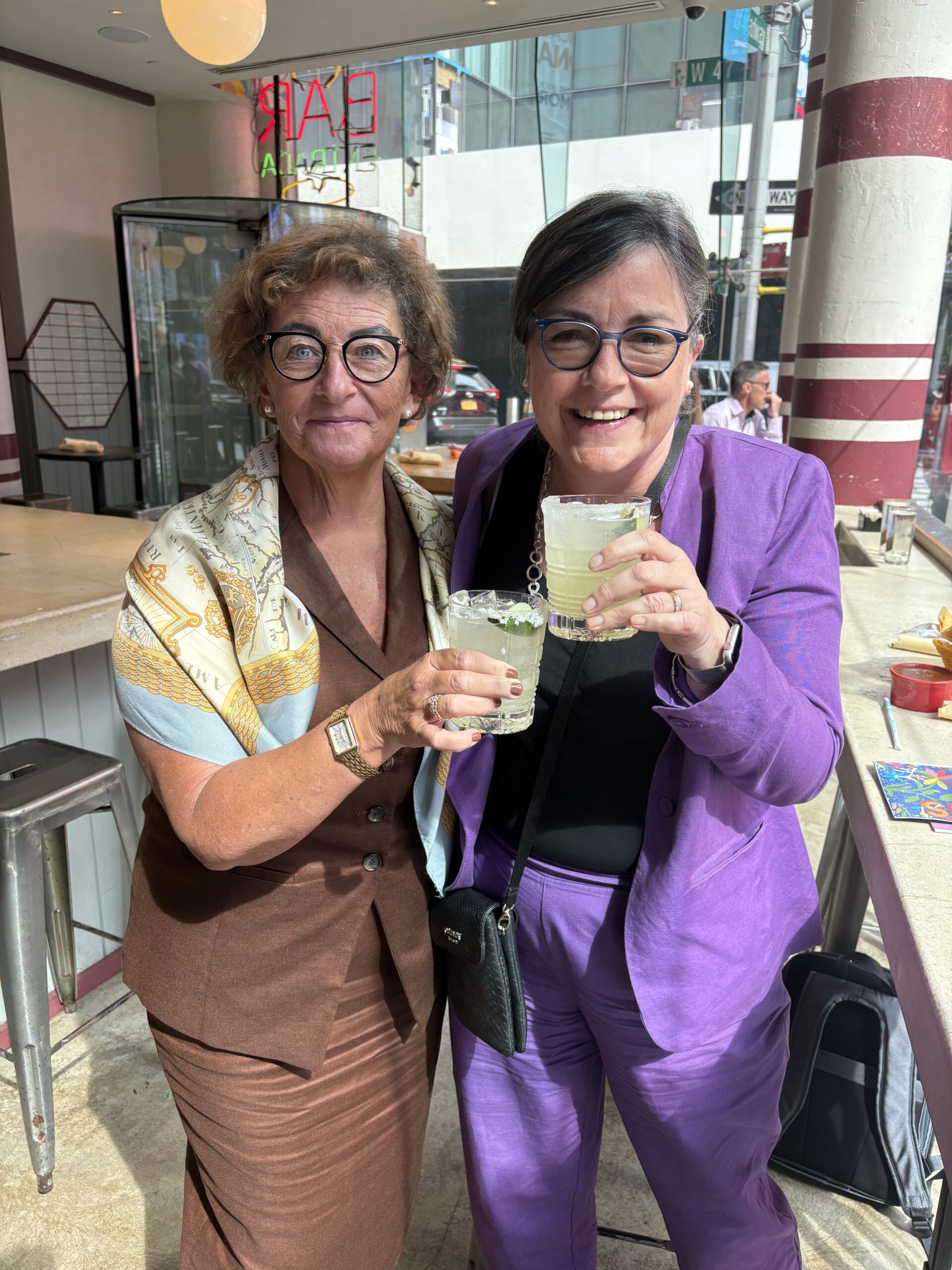
Inspiring as the meetings were, the conversations before and after were also well worth the jet lag. I am used to attending conferences around the world, but these side meetings are a chance to really focus, talk, listen and network, and for me provided links to some key people and organisations previously out of reach, and some time to catch up with amazing colleagues in the field such as WOCC Ambassador and UICC President Elect Dr Zainab Shinkafi Bagudu, and International Gynecologic Cancer Society’s CEO Mary Eiken. We’ll be reunited in South Africa in November, when various members of the Every Woman Study team will be presenting data in the IGCS scientific congress on variations in access to treatment, women’s support needs and their priorities. We also managed a celebratory margarita as we await the publication date of the first results from our joint initiative. Watch this space.


SHARE

World Ovarian Cancer Coalition joins EU-funded DISARM project to urgently tackle ovarian cancer

SHARE

Toronto – September 23, 2025 – The World Ovarian Cancer Coalition is proud to be one of 28 international partners in the newly launched DISARM Project, a major EU-funded initiative to tackle ovarian cancer.  DISARM brings together world-class expertise to address one of the most urgent challenges in women’s health. Ovarian cancer is the most lethal of female cancers.

With €13.2 million in support, the DISARM project seeks to improve risk assessment and early detection of ovarian cancer. The World Ovarian Cancer Coalition’s CEO Clara MacKay, will represent the organisation at a two-day kick-off meeting in Athens in October 2025. “We are proud to stand alongside world-leading researchers, clinicians, and innovators in this important collaboration. By focusing on early detection and advanced risk assessment, DISARM has the potential to save lives and change the future of this disease.”

Coordinated by the Institute of Communication and Computer Systems (ICCS) in Greece, DISARM has four key pillars: ovarian cancer risk assessment, early detection, intelligent digital assets, and healthcare adoption strategies. By building international momentum, the project aims to close significant gaps in hereditary ovarian cancer management and set new standards for care.

DISARM brings together 28 partners from 12 countries including 10 EU Member States, the UK, and Canada. A Horizon Europe Innovation Action project, it is funded under the EU Mission on Cancer and was launched by the European Union, in coordination with the European Health and Digital Executive Agency (HADEA). 

You can read more about the project here


About the World Ovarian Cancer Coalition
The World Ovarian Cancer Coalition, the only global not-for-profit organization focused solely on ovarian cancer, was established in 2016 and comprises over 200 patient advocacy group members in 37 countries. We work globally to ensure that everyone living with, or at risk of, ovarian cancer has the best chance of survival and the best quality of life, no matter where they live. To learn more, visit our website and follow us on LinkedIn, Facebook, Instagram, X and YouTube


Media contacts:

Annabel Deegan

media@worldovariancancercoalition.org

Helen Shik

Helen@worldovariancancercoalition.org


SHARE

Partner Org. Spotlight: PARSGO

SHARE

An interview with the Pan-Arabian research Society of Gynecologic Oncology (PARSGO).

24 September 2025


Tell us about how PARSGO was started.

PARSGO was founded in 2016 as a non-profit and non-political research organization in Berlin, Germany to address the unique challenges faced by women in the MENA and Sub-Saharan Africa regions concerning gynecologic cancers. Recognizing the need for specialized care, education and research in these areas, we established PARSGO to create a collaborative network of healthcare professionals and patient advocates dedicated to improving outcomes for women affected by gynecologic cancers. We work closely with international partners, including ESGO, ENGAGe, GCIG and local institutions, to foster collaboration and knowledge exchange.


What are your main priorities and programs supporting those affected by ovarian cancer?

Our primary focus is on gynecologic oncology, including ovarian cancer. To achieve our goals, PARSGO has established four dedicated working groups:

  1. Education: Provides training programs, workshops and educational resources for healthcare professionals to enhance knowledge and skills in gynecologic oncology.
  2. Research: Supports and promotes regional and international research initiatives aimed at improving early detection, treatment and survivorship for ovarian cancer patients.
  3. Patient Advocacy: Works to raise awareness about gynecological cancer, to empower patient and support initiatives that improve access to care and resources.
  4. Tumor Board: Organizes multidisciplinary tumor boards where complex gynecologic oncology cases are discussed by specialists from multiple disciplines. This allows sharing of expert opinions, facilitates optimal treatment planning and encourages collaboration and knowledge exchange across the MENA region. The tumor boards serve as a central platform for building networks and ensuring that patients receive care guided by best practices and international standards.

In addition, we address barriers in access to advanced diagnostic tools, such as immunohistochemistry and the implementation of immunotherapy in the MENA region. Through these programs and working groups, we aim to empower both patients and healthcare providers with the knowledge and tools needed to combat ovarian cancer effectively, while fostering a regional network for exchanging expertise.


What are the most significant challenges facing your community when it comes to ovarian cancer?

Significant challenges include limited awareness and late diagnosis of ovarian cancer due to restricted access to screening and diagnostic services. Many healthcare facilities also lack the infrastructure and specialized personnel to provide comprehensive gynecologic oncology care, including access to advanced diagnostics like immunohistochemistry and modern treatments such as immunotherapy. Gaps in regional research and data make it difficult to develop evidence-based guidelines tailored to the MENA population. Cultural and socioeconomic factors can further delay presentation and treatment, particularly in rural or underserved communities. Addressing these challenges requires clinical and educational efforts, policy advocacy and stronger regional collaborations to improve equity, access, and outcomes for women with ovarian cancer.


Can you share a moment, initiative, or achievement your organization is particularly proud of in your work with ovarian cancer?

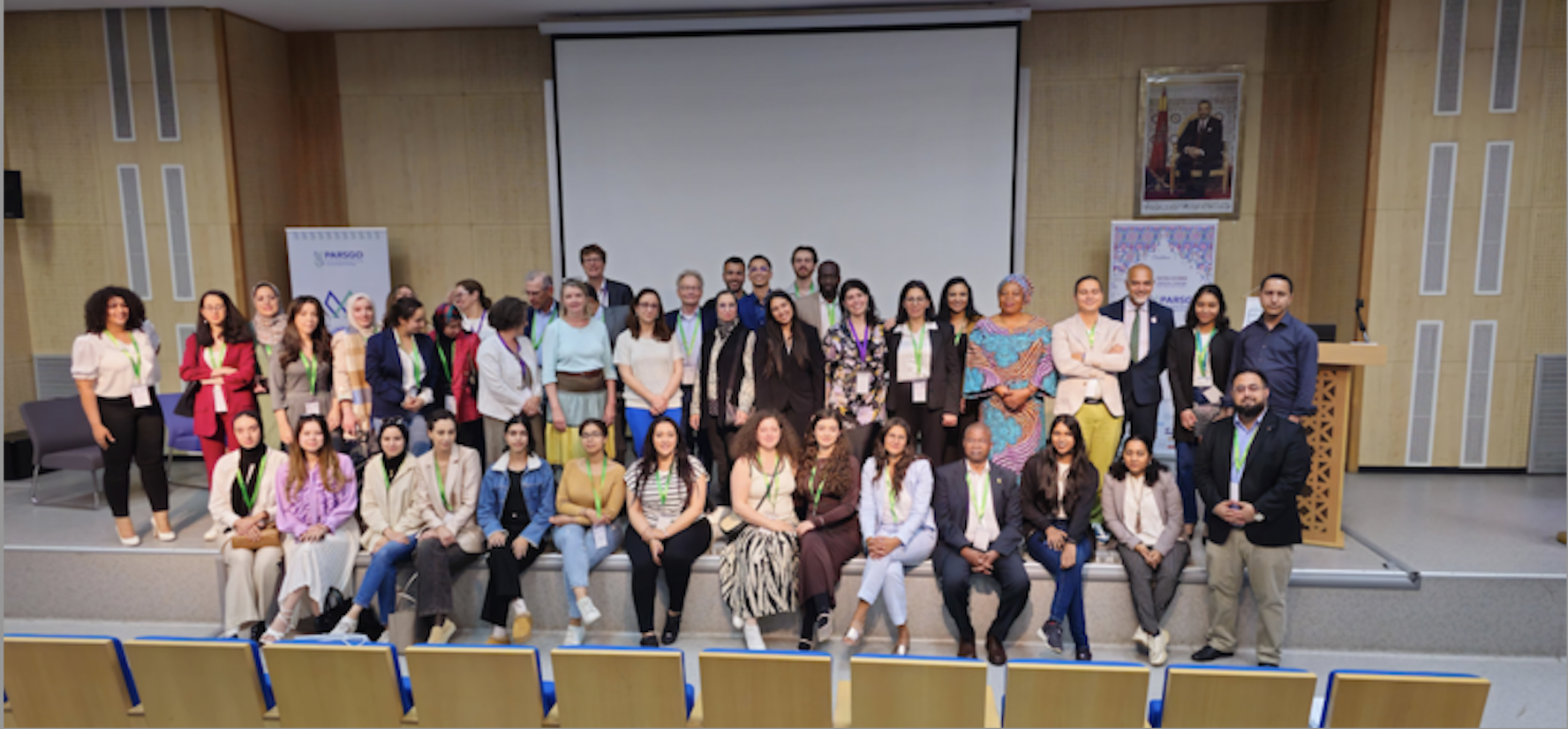
We are particularly proud of our collaborative efforts in organizing the 3rd International Arabic Women’s Cancer Days & 6th GCIG – CCRN Symposium in Morocco. This event brought together experts from across the globe to discuss current perspectives on gynecologic cancers, especially ovarian cancer. It provided a platform for knowledge exchange, capacity building and the development of strategies to improve care for women affected by these cancers in the MENA region. Our ongoing efforts to build a strong regional network continue to strengthen collaboration, education, and research in gynecologic oncology.


You can learn more about PARSGO on their website: www.parsgo.org


SHARE

World Ovarian Cancer Coalition Launches New Podcast Series: Changing the Ovarian Cancer Story

SHARE

First episode “Be a Drama Queen” releases on World Gynecologic Oncology Day – World GO Day, September 20th 


TORONTO –  September 20, 2025The World Ovarian Cancer Coalition is proud to announce the launch of its new podcast, Changing the Ovarian Cancer Story, hosted by journalist and broadcaster Hannah Vaughan Jones. The series will shine a light on the most lethal of female cancers and will explore the challenges, disparities, and urgent need for change, while also highlighting progress, hope, and the power of advocacy.

Throughout the series, listeners will hear from survivors, advocates, clinicians, and global health leaders as they share lived experiences, insights, and strategies to improve outcomes for women around the world. The podcast is aimed not only at women and families affected by ovarian cancer but also at policymakers and the wider public, to drive greater awareness and improve investment in women’s health.


The first episode, “Be A Drama Queen”, sets the stage by looking at the bigger picture. Vaughan Jones speaks to Clara MacKay, CEO of the World Ovarian Cancer Coalition, and Sbba Siddique, a British broadcaster, ovarian cancer thriver and campaigner. Together, they tackle the lack of awareness around ovarian cancer, the delays in diagnosis, and the stigma that far too often silences women’s voices.

“Ovarian cancer has suffered the same neglect as many less common and harder-to-treat cancers. It has been chronically under-resourced and overlooked”, says Clara MacKay. “We must be far more ambitious for women with ovarian cancer”.

For Sbba Siddique, the story is deeply personal. After months of being dismissed by her General Practitioner doctor, she was diagnosed with stage 3C ovarian cancer in 2023: “My diagnosis was six months in the making and it was traumatic. I was continually just going back and forth with my GP who was just dismissing me.” By the time Sbba was diagnosed, she said, “I looked like I was six months pregnant.”

Sbba now uses her experience to advocate for others, urging women not to downplay their symptoms: “You know your body better than absolutely anybody else… Trust your gut, know your normal, and seek help. And yes, be insistent, be firm. You’re not asking for anything that’s out of your bounds or out of your rights.”

MacKay also stresses the need to break taboos and challenge policymakers: “This is the result of a low level of health literacy around women’s health and societal norms and systems that prioritise male health over female health. As a global community, we need to push back.”

“This podcast is about amplifying voices, breaking down stigma, and inspiring action,” added host Hannah Vaughan Jones. “By sharing these stories, we hope to change not just the narrative but also the future of ovarian cancer.”

Changing the Ovarian Cancer Story is available now on all major podcast platforms.

World Gynecologic Oncology Day is a worldwide awareness campaign, dedicated to raising awareness about prevention and lifting the burden of stigma in gynecologic cancers. 

For media enquiries, please contact:
Annabel Deegan – annabel@worldovariancancercoalition.org or Jesica Martinez de Hoz – jesica@worldovariancancercoalition.org

About the World Ovarian Cancer Coalition
The World Ovarian Cancer Coalition, the only global not-for-profit organization focused solely on ovarian cancer, was established in 2016 and works with 230 patient advocacy group members in 37 countries. We work globally to ensure that everyone living with, or at risk of, ovarian cancer has the best chance of survival and the best quality of life, no matter where they live. To learn more, visit our website and follow us on LinkedIn, Facebook, Instagram, X and YouTube


SHARE

Partner Org. Spotlight: Nepal Cancer Relief Society

SHARE

An interview with the Nepal Cancer Relief Society (NCRS).

25 August 2025

Tell us about how NCRS was started.

The then Shah royal princess, Jayanti Shah, witnessing the deaths of many family members due to heart disease, began working to help individualssuffering from heart conditions and to provide affordable heart treatment to the people of Nepal. Additionally, she recognized that cancer is one of the non-communicable diseases with the highest mortality rate in Nepal. To prevent the spread of cancer and combat the disease, she established the Nepal Cancer Relief Society (NCRS) in Bikram Sambat 2039 (1982-83 AD). Jayanti Shah is the granddaughter of King Tribhuvan, the eldest daughter of Prince Basundhara and his eldest wife, Helen Shah. Following her, the leadership of the NCRS has included the late Dr. Anjani Kumar Sharma, Karna Shakya, the late Hari Prasad Poudel, Divakar Raj Karnikar, Jeet Bahadur Shrestha, Lokendra Kumar Shrestha, and currently Mahesh Shrestha.


What are your main priorities and programs supporting those affected by ovarian cancer?

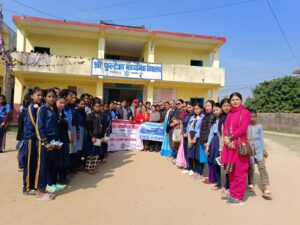
Nepal Cancer Relief Society (NCRS) focuses its work primarily on the area of prevention. Recently, on the occasion of World Cancer Day 2025, the NCRS participated as a voluntary organization at the request of the Government of Nepal in the HPV vaccine campaign conducted for girls aged 10 to 14 across the country. In this campaign, volunteers from the NCRS’s 48 district branches were stationed at vaccination centers to provide necessary support, guidance, and facilitation.

Additionally, during the campaign, most of our branches including those in Chitwan, Kavre, Kaski, Surkhet, and Kathmandu organized awareness programs about the vaccine. Beyond these campaigns, the central office and district branches regularly conduct free VIA tests, Pap smears, reproductive health screenings, and awareness programs on cervical cancer for women. We are currently hosting a podcast to raise awareness about cancer. Although raising awareness about women’s health particularly reproductive health is extremely challenging due to Nepal’s cultural traditions, values, limited education and environment, Nepal Cancer Relief Society has been continuously working on this since its establishment.


What are the most significant challenges facing your community when it comes to ovarian cancer?

As I have mentioned above, due to Nepal’s religious and cultural traditions, values, and limited education, discussing women’s health especially reproductive health remains a significant challenge. Cultural stigma often prevents women from recognizing symptoms or seeking timely medical care, contributing to delayed diagnosis of ovarian cancer. By the absence of national screening programs and limited access to specialized care, particularly in rural areas.

Overall, cultural barriers, low awareness, financial constraints, and inadequate healthcare infrastructure make the prevention, early detection, and treatment of ovarian cancer in Nepal particularly challenging.


Can you share a moment, initiative, or achievement your organization is particularly proud of in your work with ovarian cancer?

Since its establishment, Nepal Cancer Relief Society (NCRS) has worked extensively in support of cancer patients, and its programs have focused
particularly on women’s health, even though this sector remains highly challenging in Nepal. Through a collaboration with Nepal Airlines, NCRS provides recommendation letter for discounted airfare for cancer patients traveling to India for treatment, benefiting 600 to 700 patients annually. This has provided significant relief to patients, and to date, thousands of cancer patients have utilized this facility.

Similarly, the central office and district branches have continuously conducted awareness programs on cervical cancer, uterine prolapse, and infections, as well as screening activities such as VIA tests and Pap smears. In this context, participating in the 2025 HPV vaccine campaign in collaboration with the Nepal government was a notable achievement for the Society. During this campaign, 13,000 adolescent girls across Nepal were vaccinated, and the Society played a key role in facilitating this effort.


You can learn more about the NCRS on their website: https://ncrs.org.np/


SHARE