Recent Developments

Partner Org. Spotlight: Ovarian Cancer Australia

SHARE

An interview with Ovarian Cancer Australia.

22 January 2026


1. Tell us about how Ovarian Cancer Australia got started. 

Ovarian Cancer Australia (OCA) began as a grassroots movement driven by personal experience and a determination to improve outcomes for women affected by ovarian cancer. OCA’s origins began with Sheila Lee, who was diagnosed with advanced ovarian cancer in 1999. During her illness, Sheila became acutely aware of the limited information and support available. Together with her husband Simon Lee, and others determined to create change, Sheila became a catalyst for ovarian cancer advocacy, laying the foundations for what later became Ovarian Cancer Australia. Despite her death in 2000, Sheila’s legacy lives large, and today Ovarian Cancer Australia proudly stands as the national leading body for advocacy, awareness and support, ensuring no one impacted by ovarian cancer walks alone.
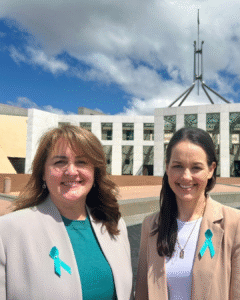
Debbie Shiell, CEO, and Bridget Bradhurst, Chief of Advocacy, at Parliament House, Canberra.

This year, as Ovarian Cancer Australia celebrates 25 years of providing support, care and advocacy to women and families impacted by ovarian cancer, the organisation reflects on how far it has come, from a small, determined group to the national leading body for advocacy, awareness and support, ensuring no one impacted by ovarian cancer walks alone.


2. What are the most significant challenges faced by women with ovarian cancer in Australia? 

Women with ovarian cancer continue to face challenges from even before the time of diagnosis, with an often-lengthy time from symptom recognition to investigations then to diagnosis. Once diagnosed, women then enter the complex world of treating planning for a rare or less common cancer in the growing era of personalised medicine with many different subtypes of disease.

Along with the difficulties of diagnosis, treatment and physical side effects that come with surgery and chemotherapy; women also experience significant emotional distress including anxiety, depression, fear of cancer recurrence or progression and impacts on body image, identity, and relationships. All this alongside what is often a poor prognosis cancer, and the emotional burden is heavy. The high rates of recurrence and limited treatment options also add to emotional stress.

In addition to these physical and mental challenges, are the impacts on finances both from out-of-pocket costs of treatment as well as loss of income which just add to the burden.

These impacts can be even more pronounced for certain groups, including culturally and linguistically diverse backgrounds, and women living in rural and remote areas of Australia.


3. What are your main priorities and programs supporting those affected by ovarian cancer?

Ovarian Cancer Australia provides person-centred care and support through services delivered by specialist ovarian cancer nurses, counsellors, and psychologists. The Support Team complement care and support provided through the health system, offering individualised guidance, disease expertise and interventions including psychology and counselling. 

OCA also provides a suite of evidence-based resources and facilitates in person and online peer support groups.

In addition to supporting women with ovarian cancer and their loved ones, OCA also leads policy and advocacy initiatives to reduce known variation in care across the country, see more timely access to effective and affordable medicines, and engage Government and key decision makers to ensure ovarian cancer is a national priority and receives greater research investment.


4. Tell us about what you have planned for Ovarian Cancer Awareness Month (February) in Australia.  

Ovarian Cancer Australia has a full month of high impact activity ahead, designed to drive awareness, strengthen advocacy and generate vital support for people living with and affected by ovarian cancer.

With public awareness at the core of our mission, we are launching an interactive quiz to test what Australians know about ovarian cancer while addressing critical knowledge gaps with clear, evidence-based facts and figures. The quiz will highlight the often-overlooked symptoms of ovarian cancer, reinforcing the importance of early recognition and informed conversations.

Advocacy remains a cornerstone of Ovarian Cancer Australia’s work. This month, we are proud to release a joint statement alongside ANZCOG and the Ovarian Cancer Research Foundation. This unified message underscores the strength of sector collaboration and calls for continued government focus and investment to deliver better outcomes for everyone impacted by ovarian cancer. We will also host our 12th annual Parliamentary Breakfast, bringing together policymakers, clinicians, researchers and community voices to elevate ovarian cancer as a national health priority.

In partnership with Inherited Cancers Australia, we will also launch a powerful case study that shines a light on hereditary cancer risk and the real-world impact of improved genetic awareness, testing and support, helping to inform policy, practice and community understanding.

Throughout the month, our partners will be activating campaigns to support our work, alongside community members who will be getting involved through fundraising events and activities across the country.

We will also be calling on Australians to support our annual Giving Day on 18 February, when every donation will be doubled for 24 hours, doubling the impact for women and families affected by ovarian cancer.


You can learn more about Ovarian Cancer Australia on their website: https://www.ovariancancer.net.au/


SHARE

Reflections on 2025 and looking forward to 2026

SHARE

Robin Cohen, Board Chair

17 December 2025


As we approach the end of 2025, I hope you will indulge me as I reflect on my first year as Chair of the Coalition and celebrate the successes we achieved together thanks to the dedication, determination and efforts of our staff, Board, advocacy partners (all 233 of you!), study leads and sponsors. Thank you all for supporting our work addressing the  global need for greater awareness, earlier diagnosis, and equitable access to care for all women with ovarian cancer, so that there is #NoWomanLeftBehind.

Building a body of evidence

In 2025, the findings from two groundbreaking studies were published, providing important data and recommendations for action, to drive meaningful change in support of women with ovarian cancer. In March, the Socioeconomic Burden of Ovarian Cancer in 11 Countries was published in JCO Global Oncology, an American Society of Clinical Oncology Journal. Data from this Study offers pivotal evidence that the Coalition and our advocacy partners can leverage to engage policy makers in new ways to call for policy changes that will benefit women, their families and carers.

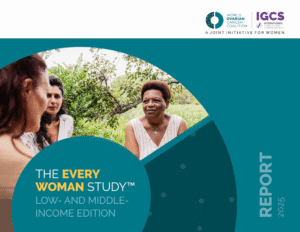
And in December, The Every Woman StudyTM – Low- and Middle-Income Countries Edition initial findings were published in The Lancet Obstetrics, Gynaecology & Women’s Health. The EWS-LMIC, a collaborative initiative with IGCS (International Gynecologic Cancer Society) is the first-ever and largest-ever patient-experience comprehensive study capturing the lived experiences of nearly 2500 women with ovarian cancer from 22 low-and middle-income countries. Its publication is accompanied by a direct call to governments, health systems, and global partners to act on the evidence without delay.


And Action!

And act we did! In collaboration with NICRAT (The National Institute for Cancer Research and Treatment in Nigeria), the Coalition launched a 12-month Pilot, designed to address the specific challenges identified in the EWS-LMIC Edition– the urgent need for increased awareness, improved diagnostic infrastructure, expanded access to genetic testing, and better healthcare pathways to facilitate early detection and treatment.

The Global Expert Advisory Group on Ovarian Cancer brings together ovarian cancer advocates, clinicians, and policymakers, working toward the establishment of a Global Ovarian Cancer Mortality Target—an essential step in driving accountability, focus, and measurable progress against this disease.

This year saw the debut of our podcast, “Changing the Ovarian Cancer Story,” which is amplifying voices from every corner of the globe. Through honest conversations and shared experiences, we are building a stronger, more informed, and connected community committed to rewriting the narrative surrounding ovarian cancer.

In November, we welcomed our new CEO, Christel Paganoni-Bruijns, whose two decades of leadership experience in global patient engagement and advocacy will serve us well and I’m excited to work with her to continue advancing our work.

These transitions are also bittersweet. Clara MacKay, a leader whose vision, commitment, and compassion have shaped the Coalition in immeasurable, and lasting ways, and led the Coalition’s successful achievement of so many ambitious initiatives, stepped down after eight years as CEO of the Coalition. We thank her and wish her well.

Looking toward 2026 and beyond

Next year we will celebrate the Coalition’s 10 year anniversary. As we celebrate the many successes of the last decade, we know that there is still work to be done. We will continue to drive awareness of ovarian cancer globally because knowledge of the symptoms and risks are critical to early detection. In 2026, we will continue to generate data that supports action at the global, local and country level. And we look forward to the publication of additional findings from the EWS-LMIC and launching an update of the Every Woman Study – High Income Countries Edition.


SHARE

Partner Org. Spotlight: Acto Italia

SHARE

An interview with ACTO Italia.

17 December 2025


1. Tell us about how ACTO Italia was started and the regions of Italy you serve.

ACTO Italia (Alleanza Contro il Tumore Ovarico – Alliance against Ovarian Cancer) was founded in 2010 by a group of patients and clinicians to break the silence on ovarian cancer and to give voice and support to women affected by one of the most complex gynecological malignancies. Its creation was driven by the necessity to form a united front, an “alliance” among patients, clinicians, and institutions to improve treatment and assistance. Starting in 2019, Acto Italia widened its activities to all gynaecological cancers.

From 2014 on, Acto Italia fostered the birth of 7 regional associations, due the peculiar structure of the Italian National Health Service, which is managed regionally: ACTO Campania, ACTO Lombardia, ACTO Piedmont, ACTO Puglia, ACTO Sicily, ACTO Tuscany, and ACTO Triveneto. This structure ensures widespread support to patients focusing on specific territorial needs.


2. What are your main priorities and programs supporting those affected by ovarian cancer?

The aim of ACTO Italia is to promote a real change in the management of ovarian cancer, working for its recognition as a health priority at the national and global level.
Therefore the Association’s mission is focused on:

  • Promoting knowledge of ovarian cancer through information
  • Encouraging primary prevention, screening, and timely diagnosis
  • Facilitating access to quality care
  • Offering assistance and services for the best quality of life for patients
  • Promoting scientific research
  • Supporting the rights of patients and their families


During these 15 years, Acto Italia and the regional associations organized many information campaigns and support programmes to improve the patients’ quality of life: nutrition, sexuality, oncoaesthetics, exercise, palliative care, fertility, psychological support, legal support etc.. They also contributed to improve awareness on ovarian cancer and on all gynaecological cancers participating actively in all World awareness days organized by WOCC, IGCS and ENGAGe.

One important groundbreaking campaign was that on BRCA mutation “Io scelgo di sapere” (2016) which involved patients and mutated healthy relatives together with clinicians with stories, videos and “question and answer” on the BRCA mutation.

Among the support programs of Acto Italia itself, let’s mention “Salute in Movimento” (Health in Motion), which is currently active. This is a free, personalized program that, with the help of a personal trainer and a dedicated app, offers patients physical activity paths to regain strength, energy, and confidence.

But one of the cornerstones of our work remains, always and foremost, information, which we provide through our website www.acto-italia.org (140,000 unique users in 2024 performing more than 1 million events) and our social media pages, where the whole Acto network has 30,000 followers altogether. This goes together with the guides on different topics, the webinars and the video interviews with clinicians and patients which can be watched on our dedicated platform Acto Digital and on our Youtube channel.


3. What are the most significant challenges facing your community when it comes to ovarian cancer?

The most significant challenges facing the community revolve around the insidious nature of the disease
and problems within the healthcare system:

  • Late Diagnosis and Lack of Screening: ovarian cancer lacks an effective screening test, leading to
    70% of diagnoses at advanced stages, as symptoms are often non-specific.
  • Therapeutic Inequalities: differences persist in access to excellent care, genetic and genomic testing, and innovative drugs depending on the region.
  • Specialized centres in GO: it is crucial to ensure that patients are referred to highly specialized centers in gynecological oncology, where treatment outcomes are significantly better.
  • Quality of life: due to the longer survivorship, new patient needs are emerging, fostering us to find new answers.


4. Can you share an initiative or achievement that you are particularly proud of and that highlights the impact ACTO is having?

ACTO Italia is particularly proud of “Cambiamo rotta. Donne con tumore ovarico. Verso nuovi percorsi” (Let’s Change Direction. Women with Ovarian Cancer. Towards New Paths), the first white paper ever on ovarian cancer, and of the related Manifesto for the rights of ovarian cancer patients, both downloadable from our website.

These documents, the result of in-depth research involving patients, clinicians, and experts, have had a
crucial impact because:

  • They have given voice directly to the unmet needs of ovarian cancer patients in the different regions.
  • They have provided concrete proposals to institutions to overcome the challenges of diagnosis and treatment.
  • They have mobilized public and institutional attention, serving as a fundamental advocacy tool to promote political and health actions that tangibly improve the care pathway for patients.


These white paper had a national launch at the Ministry of Health in 2023 and has been translated in regional events (Campania, Triveneto and Puglia) in 2024 and 2025, to focus the attention of the regional Health Authorities on specific territorial needs. It was awarded the “Cracking Cancer” Award, that is assigned by Italian oncologists.


You can learn more about ACTO Italia on their website: https://www.acto-italia.org/it


SHARE

“Changing the Ovarian Cancer Story” Podcast Episode Shines Spotlight on Realities for Women in Low-and Middle-Income Countries (LMICs)

SHARE

Titled “22 Countries, 2,446 Stories”, the episode explores the findings from  the landmark Every Woman Study LMIC published today in The Lancet Obstetrics, Gynaecology, & Women’s Health

Listen to discover how high quality data is transforming ovarian cancer care in LMICs

TORONTO –  December 11, 2025 – The World Ovarian Cancer Coalition today releases a powerful new episode of its podcast series “Changing the Ovarian Cancer Story”, hosted by Hannah Vaughan Jones, exploring the results of the landmark Every Woman Study™: Low- and Middle-Income Edition (EWS-LMIC). The study, released today, is a joint initiative of the World Ovarian Cancer Coalition (the Coalition) and the International Gynecologic Cancer Society (IGCS). A total of 2,446 women from 82 countries in 22 low-and middle-income countries (LMICs) participated in the study – providing the first comprehensive picture of the lived experiences of women with ovarian cancer. A paper based on the results of the study is published today in The Lancet Obstetrics, Gynaecology, & Women’s Health. You can find that here and the Global Report of the study here.

The podcast episode brings together Study Lead, Frances Reid, the Editor-in-Chief of The Lancet Obstetrics, Gynaecology, & Women’s Health, Sonia Muliyil and Dr. Aisha Mustapha, a Consultant Obstetrician and Gynecologist and Clinical Lead for the study in Nigeria.

Frances Reid explained this study was really needed to quantify what women were actually experiencing. She dives into some of the key findings:

“Knowledge of ovarian cancer as a disease, of the symptoms of the disease is very low. Just one in four women in the LMIC edition had heard of ovarian cancer and knew something about it. The financial impact…just under a half of women say their family finances had been affected to a very great extent. And a third of these nearly two and half thousand women, say their family finances are now such that they don’t cover their basic costs as a direct result of their diagnosis and their treatment.”

Sonia Muliyil highlighted why publishing this study was critical for the field:

“I think it’s so important to capture the lived experiences, patient experiences, and this particular study is just amazing in terms of the breadth and scope of data collected from 22 LMICs and almost two and a half thousand women…I think that rich data set has so much to offer in terms of changing policies, in terms of changing guidelines and practice.”

The EWS LMIC reveals that in Nigeria, awareness of ovarian cancer is significantly lower than the global average, with nearly 39% of Nigerian women having never heard of the disease. Dr. Aisha Mustapha, was a Clinical Lead for the study in her country.

“This study is a call to action, to make sure that we also talk about ovarian cancer and make people aware…make them understand the symptomatology and make them know that when the symptoms happen, it could be ovarian cancer.” 

Thanks to the findings of the EWS-LMIC in Nigeria, the World Ovarian Cancer Coalition and the National Institute for Cancer Research and Treatment in Nigeria (NICRAT) launched an initiative to boost awareness, early detection and access to lifesaving ovarian cancer care in the country. Dr. Aisha Mustapha highlighted the importance of data leading to action and positive change.

“I was so pleased with the World Ovarian Cancer Coalition because they didn’t just do the study, have the data and leave. They ensured they stayed behind, interacted, reached out to relevant stakeholders in Nigeria, formed coalitions, formed collaborations and partnerships to see how we can use these results to actually better the ovarian cancer landscape in Nigeria. This collaborative research has yielded the most positive progress moving forward…and I am very optimistic that this pilot will actually change the ovarian cancer landscape in the country.”

The Coalition believes this pilot project in Nigeria is not only a vital step forward for women in that country but also holds tremendous global potential. By strengthening prevention, early diagnosis, and care, this initiative can serve as a template for future projects worldwide, helping to transform outcomes for women everywhere.

You can read more about the Nigeria project here.

Changing the Ovarian Cancer Story is available on all major podcast platforms. You can also watch all our episodes so far here


For media enquiries, please contact:
Annabel Deegan – media@worldovariancancercoalition.org


About the World Ovarian Cancer Coalition
The World Ovarian Cancer Coalition, the only global not-for-profit organization focused solely on ovarian cancer, was established in 2016 and comprises over 230 patient advocacy group members in 69 countries. We work globally to ensure that everyone living with, or at risk of, ovarian cancer has the best chance of survival and the best quality of life, no matter where they live through partnerships, evidence, advocacy and awareness. To learn more, visit our website and follow us on LinkedIn, Facebook, Instagram, and YouTube


SHARE

Landmark Global Study on Ovarian Cancer Published in The Lancet Obstetrics, Gynaecology, & Women’s Health

SHARE


The first patient-experience research across 22 low- and middle-income countries highlights an immediate global need for awareness, earlier diagnosis, and equitable access to care

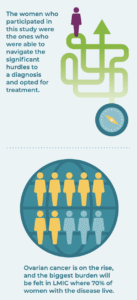
TORONTO – December 11, 2025 – The World Ovarian Cancer Coalition announced that a groundbreaking international study, “Experiences of Women with Ovarian Cancer in 22 Low- and Middle- Income Countries (Every Woman Study™ LMIC): a Cross-sectional Study,” published today in The Lancet Obstetrics, Gynaecology, & Women’s Health, is the very first comprehensive study capturing the lived experiences of women with ovarian cancer in low-and middle-income countries (LMIC), where 70% of those diagnosed with the disease live. Its publication is accompanied by a direct call to governments, health systems, and global partners to act on the evidence without delay.

Lead Author of The Lancet publication, Dr. Garth Funston, Senior Clinical Lecturer, Queen Mary University of London, says, “Publication of the first findings from the Every Woman Study™: Low- and Middle-Income Edition in The Lancet Obstetrics, Gynaecology & Women’s Health reflects an extraordinary collaboration by clinicians, data experts, and advocacy groups from around the world. Until now, there has been limited data on the experiences of women with ovarian cancer in LMIC. These results could help direct and drive initiatives to improve awareness, diagnosis and care worldwide.”

The Every Woman Study™: Low- and Middle-Income Edition (EWS-LMIC), a joint initiative of the World Ovarian Cancer Coalition (the Coalition) and the International Gynecologic Cancer Society (IGCS), highlights the significant challenges and disparities women face. A total of 2,446 women diagnosed with ovarian cancer from 82 hospitals in 22 low-and middle-income countries in Africa, Asia and Central and South America, participated in this study which combined patient-reported and clinical data. The study identified factors associated with ovarian cancer knowledge, financial impact, and symptomatology across LMICs. Findings clearly point to systemic gaps that must be addressed now.

Key Findings include:

  • Low awareness: Just one in four women said they had knowledge of ovarian cancer and knew something about it before their diagnosis. This varied by country (from 3.3% to 63.2%). Those with little or no education, below average income, and living in a lower human development index country had lower levels of awareness.
  • Financial impact: Nearly a third of women saw family income fall below what they needed to live on and three quarters said their family finances were affected.  Women with below average income, or aged 40 – 59 at diagnosis were most likely to suffer financial hardship.
  • Symptoms: Most women (90%) experienced at least one symptom associated with ovarian cancer prior to their diagnosis, and this varied little by type or stage (stage I 85%, stage IV 95.5%).
  • Women’s priorities: Women prioritised the development of screening, free access to diagnostics and treatment, reducing time to diagnosis and raising awareness over access to new treatments.


“This is the most extensive study of ovarian cancer patient experiences ever conducted in low- and middle-income countries. These data points convey the voices and realities of women navigating a devastating diagnosis, often at vast personal and financial cost. They also represent a powerful evidence base that policymakers and health leaders must use to drive meaningful change. We are already seeing country teams leveraging the data to drive policy changes and increased access to testing and treatment,” said Co-Chairs of the Oversight Committee Dr Tracey Adams and Robin Cohen.

Also today, the Coalition released the Every Woman Study™ LMIC Edition Report, providing additional insights and data from the study as well as clear, actionable steps that countries can take immediately. This includes data on access barriers, genetic testing and targeted treatments, and route and time to diagnosis.

“This work underscores the strength and impact of global collaborations that bring together clinicians, researchers, patients and advocates. With the increasing global burden of ovarian cancer expected to impact LMIC in particular, and the lack of data from these areas, this work is both vital and unique,” said Mary Eiken, CEO, International Gynecologic Cancer Society.

Tune in to the latest episode of the Coalition’s podcast series Changing the Ovarian Cancer Story when host Hannah Vaughan Jones speaks with Study Lead Frances Reid, Editor-in-Chief of The Lancet, Obstetrics, Gynaecology & Women’s Health, Sonia Muliyil, and Consultant Obstetrician and Gynaecologist, Dr. Aisha Mustapha about the EWS-LMIC. 

The Every Woman Study™ LMIC Edition Report, full findings, and recommended actions are available on the Coalition’s website here. 


About Ovarian Cancer

Ovarian Cancer is one of the leading causes of cancer mortality in women globally. Across the world, ovarian cancer rates are rising, especially in low-and middle income countries. In some countries, cases are projected to more than double by 2050.Most women are diagnosed at advanced stages and five-year survival rates below 50%. But the evidence shows there are clear opportunities: faster diagnoses, better genetic testing, and increased access to effective treatments like PARP inhibitors can improve outcomes.

World Ovarian Cancer Coalition

The Coalition, the only global not-for-profit organization focused solely on ovarian cancer, was established in 2016 and comprises over 230 patient advocacy group members in 69 countries. We work globally to ensure that everyone living with, or at risk of, ovarian cancer has the best chance of survival and the best quality of life, no matter where they live through partnerships, evidence, advocacy and awareness. To learn more, visit our website and follow us on LinkedIn, Facebook, Instagram, and YouTube

International Gynecologic Cancer Society

The International Gynecologic Cancer Society’s (IGCS) mission is to enhance the care of people affected by gynecologic cancers worldwide. We pursue this mission through education, training, public awareness, and global collaboration. Activities focus on raising awareness about early diagnosis and treatment, fostering professional connections, supporting research, and providing mentorship and training opportunities, with the ultimate goal of optimising care for women with gynecologic cancers.  To learn more, visit the IGCS website

About Queen Mary   www.qmul.ac.uk    

At Queen Mary University of London, we believe that a diversity of ideas helps us achieve the previously unthinkable. 

Throughout our history, we’ve fostered social justice and improved lives through academic excellence. And we continue to live and breathe this spirit today, not because it’s simply ‘the right thing to do’ but for what it helps us achieve and the intellectual brilliance it delivers.   

Our reformer heritage informs our conviction that great ideas can and should come from anywhere. It’s an approach that has brought results across the globe, from the communities of east London to the favelas of Rio de Janeiro.   

We continue to embrace diversity of thought and opinion in everything we do, in the belief that when views collide, disciplines interact, and perspectives intersect, truly original thought takes form.


Media contacts:

Annabel Deegan (U.K.)

media@worldovariancancercoalition.org

Helen Shik (U.S.)

Helen@worldovariancancercoalition.org


SHARE

Why the Every Woman Study™ LMIC is unique – and needed 

SHARE

A conversation with Frances Reid, Director of Programmes and Every Woman Study™ Lead, World Ovarian Cancer Coalition

11 December 2025


The Every Woman Study™: Low- and Middle-Income Country (LMIC), published today in the Lancet Obstetrics, Gynaecology & Women’s Health, delivers the first comprehensive picture of the lived experiences of women with ovarian cancer in LMIC. 

A total of 2,446 women from 82 hospitals in 22 low-and-middle-income countries in Africa, Asia and Central and South America, participated in this study which combined patient-reported data with clinical insights. 

The EWS-LMIC Edition is a joint initiative between the World Ovarian Cancer Coalition (the Coalition) and the International Gynecologic Cancer Society (IGCS). Today, The Report of the EWS-LMIC was also released, providing additional insights from the study as well as recommendations for actions to help alleviate the issues found including low access to diagnosis and care, low awareness and high costs of ovarian cancer.


Q1: In the Lancet Obstetrics, Gynecology & Women’s Health, the authors note, “To our knowledge, this is the first study to collect detailed information on the ovarian cancer related experiences of women in LMICs.” Why is this so important? 

Frances: There are lots of reasons! Most importantly it is because 70% of women with ovarian cancer live in LMICs, and nothing has been known about their experience to date. Previous studies almost exclusively feature women in high-income countries. Relevant national data is vital when considering how best to tackle the significant challenges of improving survival and quality of life for women. The scale of the study is important too, with almost 2,500 women taking part from 22 countries, through 82 different hospitals. The breadth of patient experience information, from family income, experience of diagnosis and treatments, and support needs, combined with clinical data provides an enormously powerful source of data that will be useful for years to come. 


Q2: What were the key findings of the EWS-LMIC study? 

Frances: The Lancet article is just the first of several papers we hope to publish on the results, given the richness and depth of the data. In this paper we have revealed how late-stage diagnosis, low knowledge of ovarian cancer, and financial hardship are preventing women from receiving the best possible care in LMICs. Their experience of symptoms are very similar to other studies, but the impact of having to pay for diagnostic tests and/or treatments are financially crippling with a third of women saying their family income has fallen below the level they need to live on as a result of their diagnosis and treatment. 

In terms of knowledge, just one in four women had heard of ovarian cancer and knew something about it. Those who had not heard of the disease were less educated, came from lower income families and lived in lower human development index countries. Lower education was also associated with the chances of late stage diagnosis of the disease. This is important as it means any actions taken to improve awareness and late-stage diagnosis must be targeted at those with the least.

It’s also important to note what the women prioritised, which was the development of screening programmes, and free access to diagnostic tests and treatments, as well as raising awareness of symptoms and reducing delays in diagnosis.

In future papers we will look at variations in access to tests and treatments, women’s emotional support needs and routes to diagnosis.


Q3: Can you tell us about some of the comments and challenges women shared about their ovarian cancer experience? How were they impacted emotionally, physically, and financially?

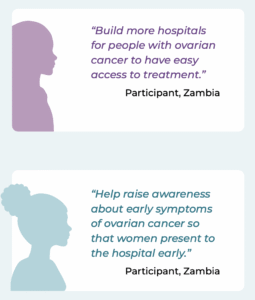
Frances: I want to begin with a story from one of our country lead clinicians, who recounted to me that she had seen five patients who all most likely had ovarian cancer, but just one of them could afford to proceed to a diagnosis.  That means, the findings and comments in the EWS-LMIC study are from women who actually made it that far. There are many that stand out, and bring life to the study, but the ones that touched me most were about delays due to financial hardship – of women starting herbal medicines as they could not afford chemotherapy, or having to frequent prayer houses because they could not afford a doctor visit, despite increased suffering. One woman, in an upper-middle income country had tried to get a genetic test, but it was unaffordable. She later went on to be diagnosed with ovarian cancer, and did get testing as part of a study and was indeed BRCA positive. Her case could have been prevented. 

Overall I was also aware that whilst women felt strongly that other women should be made aware of the symptoms of ovarian cancer, there was an even stronger need for doctors to be able to recognise the condition. Misdiagnosis and inappropriate tests were common reasons for delays. Whilst this is challenging, it does give hope that improvements can be made.


Q4: How will this study impact women in LMIC? How can this data be leveraged to drive change?

Frances: We strongly hope that it will be used to drive change, and there is already evidence of that happening. Our overall global recommendations include reducing time to diagnosis, making diagnostic tests and treatments available and affordable, improving support for women (both financially and psychologically), and increased focus on prevention. The results in Brazil are being used to help draft a white paper on ovarian cancer in the public health system, a new support group Ovarian Cancer Malaysia has been formed and already bringing great benefit to women, and we recently announced the launch of a collaboration with National Institute for Cancer Research and Treatment in Nigeria (NICRAT) on a pilot programme, “Enhancing Prevention, Early Diagnosis, and Treatment of Ovarian Cancer: A Pilot Initiative in Nigeria” to reduce the burden of the disease in the country. Policy makers need data on ovarian cancer to factor into their national cancer control plans and data from the study is already playing an important part in that.  


Read the study in the Lancet Obstetrics, Gynaecology and Women’s Health here


SHARE

World Ovarian Cancer Coalition Announces the 2025 Impact Awards Recipients, Honouring Global Leaders Shaping the future of Ovarian Cancer Care

SHARE

Toronto – 9 December 2025 – The World Ovarian Cancer Coalition (the Coalition) is proud to announce the recipients of its 5th Annual Impact Awards. This year, the Coalition recognises six individuals and one consortium whose leadership, advocacy and innovation are transforming outcomes for women with ovarian cancer across the world.

Watch the awards ceremony here

At a time when ovarian cancer remains the most lethal of female cancers — and when global action has never been more urgently needed, the Impact Awards celebrate contributions that advance awareness, accelerate research, improve care and support women throughout their ovarian cancer journeys. This year’s honourees were chosen by an international panel: ovarian cancer survivor and patient advocate Jennifer Hollington (Canada), World Ovarian Cancer Coalition Board Member, researcher and patient advocate Runcie C.W. Chidebe (Nigeria) and ovarian cancer survivor and patient advocate Nimkee Gupta (Luxembourg). 

“Each of this year’s honourees represents the power of what is possible when compassion, evidence, and action come together,” said Christel Paganoni, CEO of the World Ovarian Cancer Coalition. “Their leadership is changing what it means to live with ovarian cancer — from advancing earlier diagnosis, to driving scientific breakthroughs, to ensuring women everywhere are seen, supported, and never left behind. Their work strengthens our collective mission: to reduce ovarian cancer mortality and improve quality of life for every woman, no matter where she lives.” 

This year’s awards underscore the diverse leadership driving change across the ovarian cancer landscape — from pioneering palliative care models in Rwanda, to advancing genetic testing and early diagnosis initiatives in Europe and Australia, to improving patient support in the United States and India, and accelerating rare-cancer research through global collaboration. The 2025 Impact Awards recipients are: 

Dr. Shabnam Gujadhur (Australia)

An ovarian cancer survivor and physician at Gold Coast University Hospital, Dr. Gujadhur has become a powerful advocate for early detection, research, and improved patient support, drawing on her experience as both a doctor and patient. Through sharing her story publicly and taking part in community engagement initiatives, she works tirelessly to advance care and awareness across Australia.

Sandra Balboni (Italy)

Sandra Balboni is the Founder of LOTO ODV, a network of gynecological cancer centres across Italy offering free support services for women. An ovarian cancer survivor herself, Sandra’s vision has created a compassionate, comprehensive model of care that empowers women throughout treatment and recovery.

Dr. Christian Ntizimira (Rwanda)

A global leader in palliative care, Dr. Ntizimira has transformed access to compassionate, gender-sensitive support for women with advanced ovarian cancer across Rwanda and Africa. Through the non-profit African Center for Research on End-of-Life Care (ACREOL) and his book The Safari Concept: An African Framework on End-of-Life Care, he has trained thousands of providers and helped shape national policies that expand pain relief, early detection, and quality end-of-life care.

Melissa Aucoin (United States)

As CEO of the National Ovarian Cancer Coalition, Melissa Aucoin has expanded critical programs that deliver financial assistance, nutritional support, and educational resources to women with ovarian cancer. Her leadership has enabled thousands to access treatment and vital services that improve quality of life and empower informed decision-making.

Diane Boothby (United Kingdom)

Since her diagnosis in 2022, Diane Boothby has become a prominent patient advocate, sharing her story to raise awareness, influence health policy, and promote earlier detection. She recently founded a local support group in Norfolk, offering connection, guidance, and hope to women navigating ovarian cancer.

International Consortium for Low-Grade Serous Ovarian Cancer (Global)

This international network of more than 30 scientists, clinicians, and patient advocates is accelerating research and innovation for a rare and difficult-to-treat form of ovarian cancer. Their collaborative work is advancing targeted therapies, connecting global expertise, and bringing new hope to younger women affected by the disease.

Sbba Siddique (United Kingdom)

A broadcaster, advocate, and community leader, Sbba Siddique uses her influential platforms to confront stigma, elevate patient voices, and promote early diagnosis, particularly among South Asian and marginalized communities. Her contributions across UK media and cancer policy initiatives continue to transform awareness and strengthen support for women with ovarian cancer. Sbba was a guest on the first episode of our podcast series Changing the Ovarian Cancer Story. Watch and listen to her story and insights here.

About the World Ovarian Cancer Coalition
The World Ovarian Cancer Coalition, the only global not-for-profit organization focused solely on ovarian cancer, was established in 2016 and comprises over 230 patient advocacy group members in 57 countries. We work globally to ensure that everyone living with, or at risk of, ovarian cancer has the best chance of survival and the best quality of life, no matter where they live. To learn more, visit our website and follow us on LinkedIn, Facebook, Instagram, and YouTube. Listen and subscribe to our podcast, Changing the Ovarian Cancer Story here

Media contacts:

Annabel Deegan, media@worldovariancancercoalition.org

Helen Shik, Helen@worldovariancancercoalition.org


SHARE

Partner Org. Spotlight: German Ovarian Cancer Foundation

SHARE

An interview with the German Ovarian Cancer Foundation.

24 November 2025


Tell us how the German Ovarian Cancer Foundation was founded.

We were founded in 2010 because there was very little information available about this disease in Germany. The founders of the foundation are Carolin Masur, a well-known singer who has been affected by ovarian cancer, Sven Olek, a relative and researcher, and Jalid Sehouli, an internationally renowned gynecological oncologist.


What are your main priorities and programs for supporting people affected by ovarian cancer?

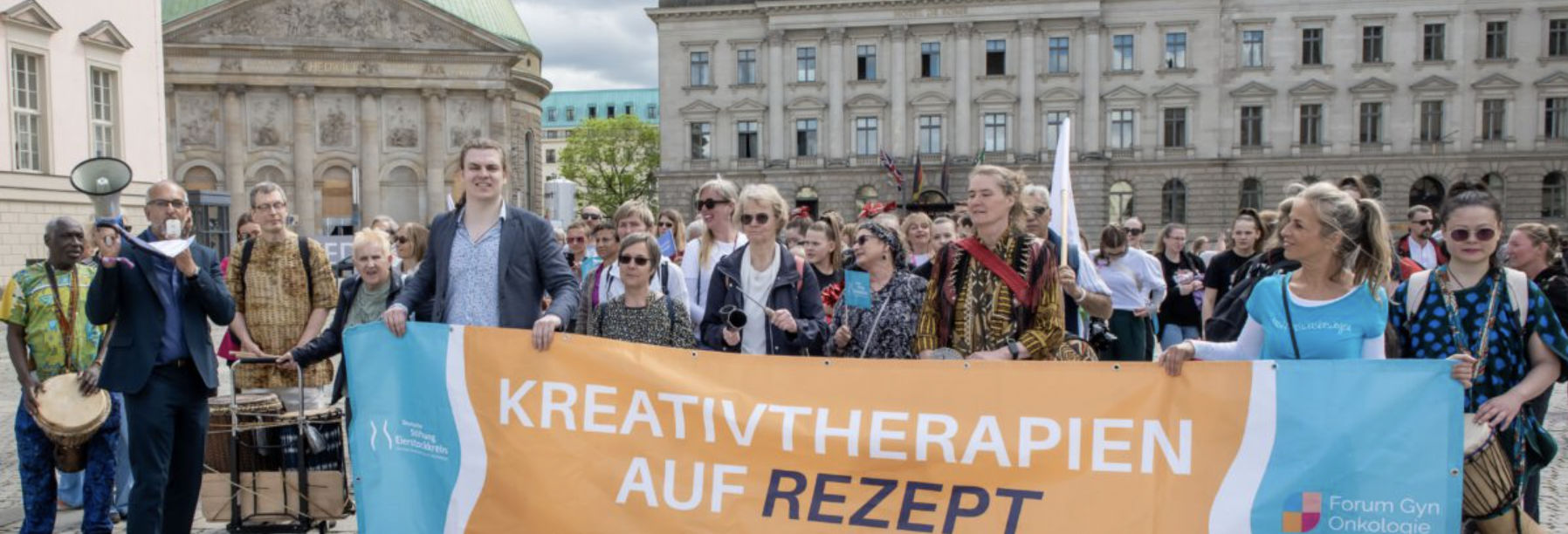
Our goals are to inform, educate, and strengthen research. However, our subtopics also include long-term survival, priming, participation in clinical trials, communication and language, and creative therapies, as we believe that strengthening resources and further therapeutic approaches are important. And: proper communication—not only between doctor and patient, but also with all other parties involved.


What are the biggest challenges for your community in relation to ovarian cancer?

Destigmatization and awareness! And above all: uniform, high quality standards to give women a real chance at the best treatment.


Can you name a moment, initiative, or achievement that your organization is particularly proud of in connection with your work in the field of ovarian cancer?

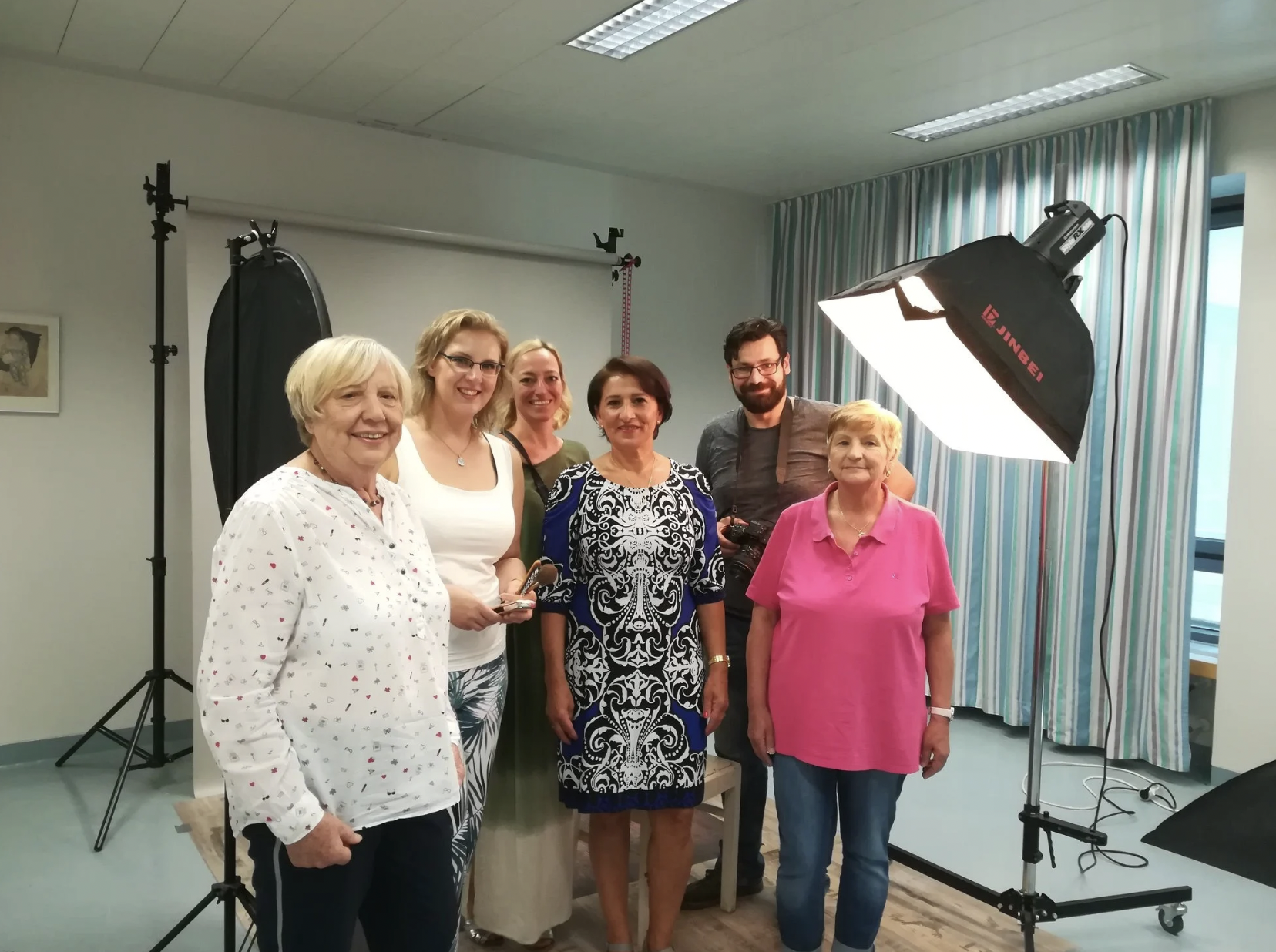
Our first photo campaign, “I’m alive!”, featuring 16 women who are long-term survivors after being diagnosed with ovarian cancer—and who have given incredible courage and hope to many other ovarian cancer patients.


You can learn more about the German Ovarian Cancer Foundation on their website: https://stiftung-eierstockkrebs.de/welcome/


SHARE

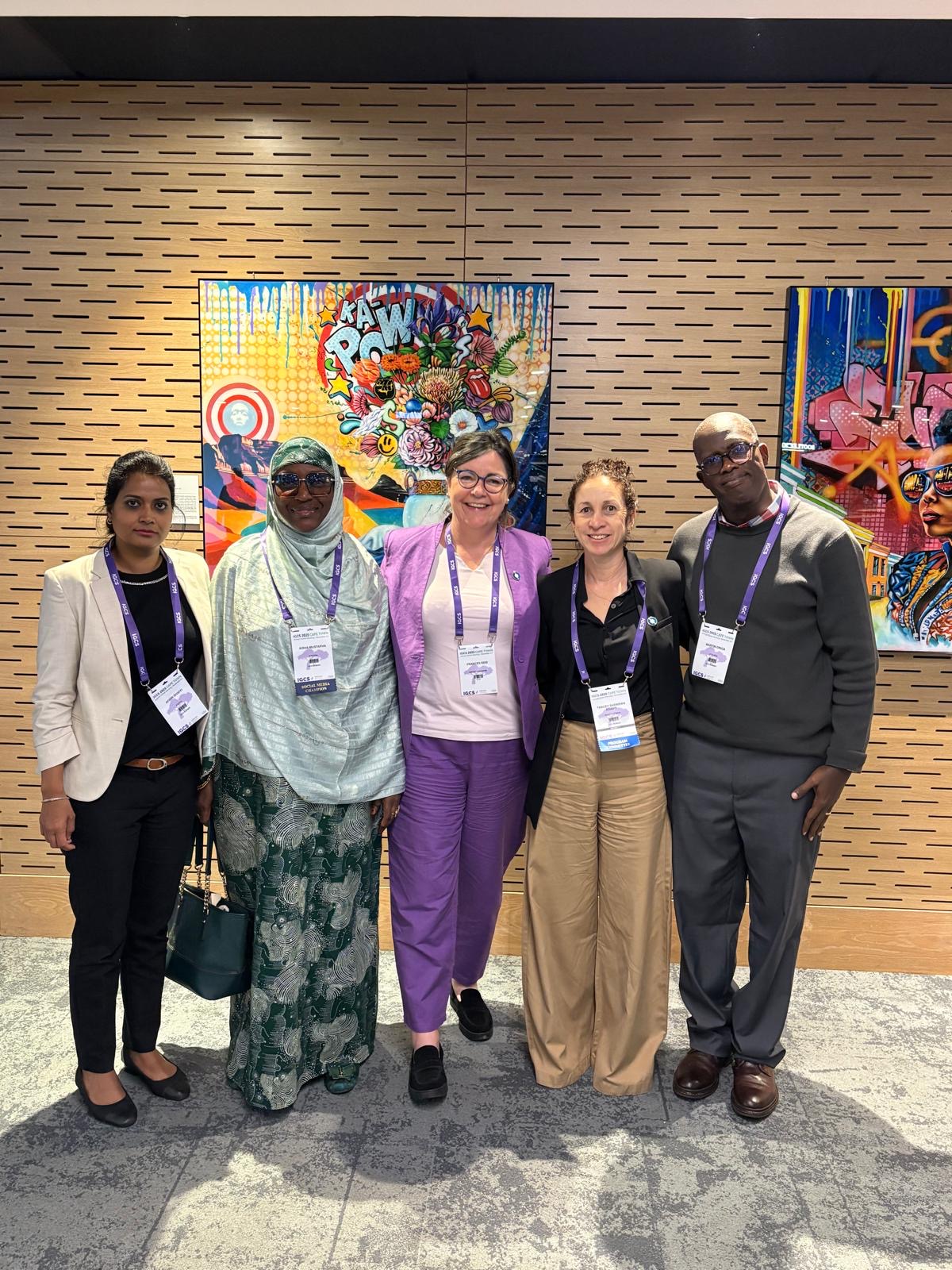
Celebrating Collaboration in Cape Town at IGCS

SHARE

By Frances Reid, Director of Programmes  

24 November 2025

The location of this year’s International Gynecologic Cancer Society meeting in Cape Town, South Africa could not have been more fortuitous.

With the Co-Chair (Clinical) of our Every Woman Study LMIC Edition and Global Expert Advisory Group on Ovarian Cancer, Dr Tracey Adams, living and working in the city, it seemed the best place for us to be sharing study results, discussing what more we can do to turn data into action, and having a little celebration of everything  that has been achieved, including our forthcoming publication of the first results.

The location also meant a good contingent of our African collaborators were present, but we were also delighted to be together with our EWS-LMIC country leads from Nepal, India, Bangladesh, Kazakhstan, Vietnam, Jamaica and Argentina.

Dr Adams presented to a packed audience on the variations in treatment in LMIC as seen through the Every Woman Study which received a very positive moderation from Dr Thomas Herzog:

“A lot of rich information…. and a road map for potentially transformative action….. A really outstanding study given its breadth and reach….. Highlights the inequity and a tool to get to the why.”

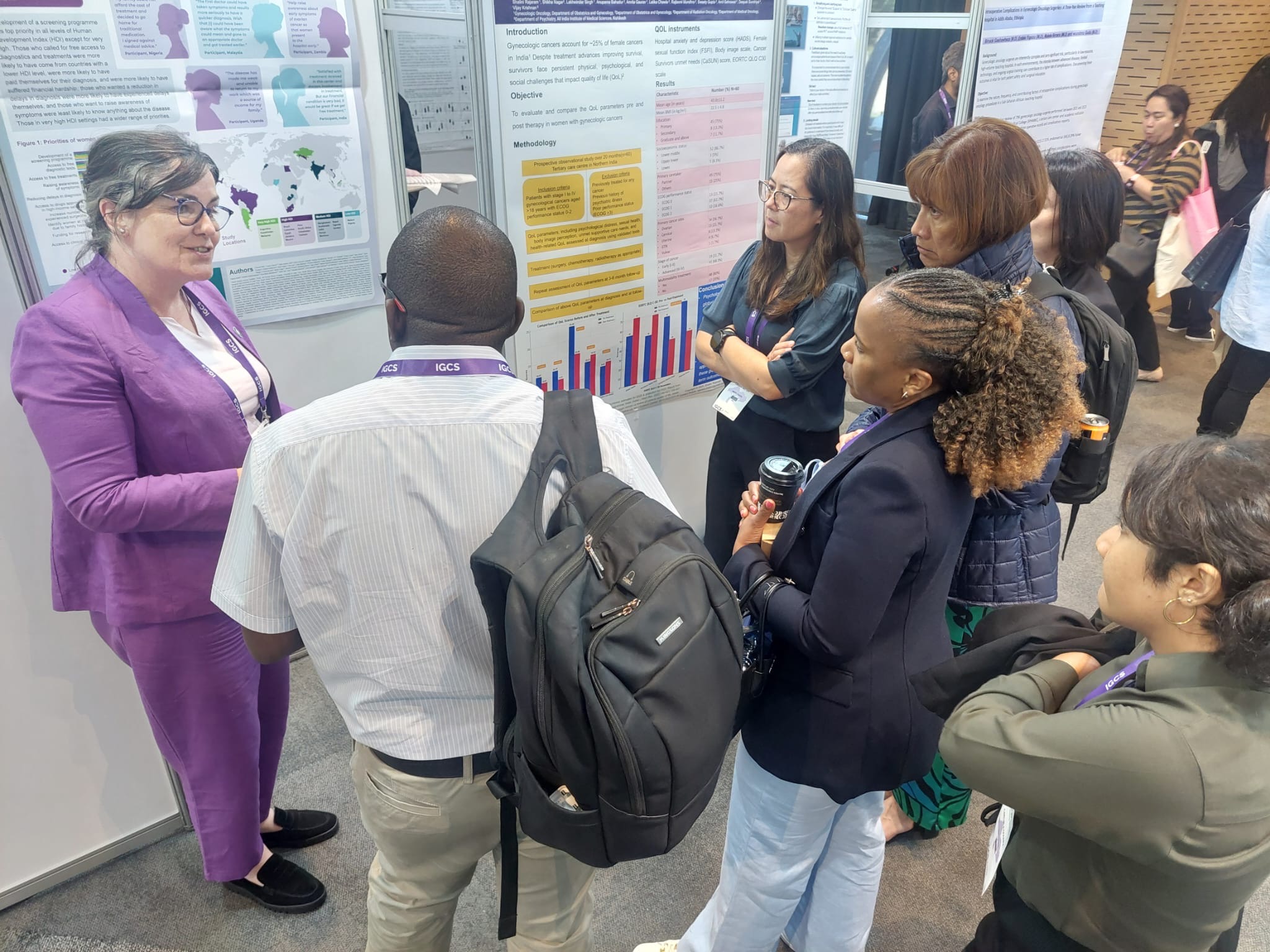
Dr Florencia Noll, our Argentina lead, and member of the Oversight Committee, also presented on the variation in emotional support needs, and how such needs were met (or not). And I gave a poster presentation on the priorities of women with ovarian cancer and how these map to their own experiences, largely based around the financial impact of the disease, and the need for early diagnosis.

The positivity with which the work has been met was a powerful motivator. Four of our African leads got together to compare and contrast their country findings, and scoped out a paper focusing on the Every Woman Study results in their region, and our Indian lead told us of her plans to extend the study more widely in her country. We also had time to hear how the Nigerian Ovarian Cancer Pilot launch had gone, an example where data has led directly to action on the ground as they seek to raise awareness, train doctors, simplify referral pathways and access to medicines and genetic testing.

With my colleague Mikis Euripides who oversees the work of the Global Expert Advisory Group on Ovarian Cancer also in attendance, our time in Cape Town was wisely used meeting members of the Group and collaborators including Dr Karen Canfell of the University of Sydney. We discussed the next phase of the Global Expert Advisory Group’s work with Karen, which aims to establish a compelling rationale for a ‘pillar-based’ global mortality target for ovarian cancer and to mobilize collective action and against which progress can be tracked. This potential collaboration between our two organisations would build on the existing work the Group has done in identifying the global ovarian cancer priorities for both high income and low and middle incomes countries through the Every Woman Studies.

Cape Town is a stunningly beautiful city, and together with an excellent conference programme, we will have nothing but positive memories of our time there, and the work that is underway to leave no woman behind.


SHARE

Meet our new CEO Christel Paganoni-Bruijns

SHARE

November 3, 2025

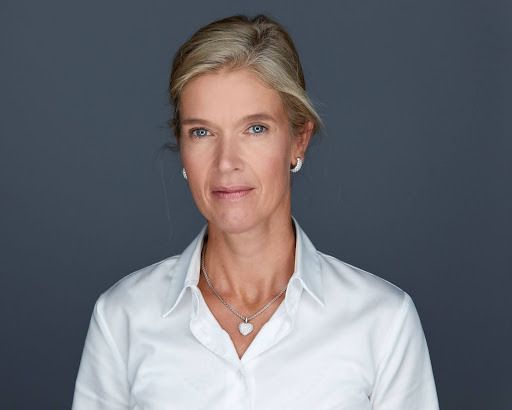
We are delighted to introduce you to our new CEO, Christel Paganoni-Bruijns on her first day at the Coalition. Enjoy this Q & A to learn more about her previous work, her passion for leveraging data and lived experience to influence policy and drive equity, and her priorities for her first 100 days leading the Coalition.  


Q: Tell us a little about yourself and your previous work in patient advocacy and community engagement.

I have spent the past two decades working at the intersection of patient advocacy, community engagement, and health systems strengthening – across the non-profit, private, and global health sectors. My career began in social work, counseling families of children with disabilities and participating in cross-cultural learning exchanges in South Africa. That early experience laid the foundation for a career rooted in equity and empathy.

Since then, I have had the privilege of serving in leadership roles at organizations such as Novartis, Takeda, PTC Therapeutics, and Sobi, where I led global and regional patient engagement strategies. Across these roles, I have worked closely with patient communities to ensure their insights are embedded in policy, research, and healthcare decision-making. I’m passionate about transforming data and lived experience into action – and have partnered with multilateral organizations, local advocates, and healthcare systems to develop scalable, community-driven solutions that truly respond to unmet needs.


Q: What drew you to the role of CEO of the World Ovarian Cancer Coalition and what are you looking forward to most?

When I first learned about the Coalition, I was deeply struck by the scale and persistence of ovarian cancer – and how under-recognized it remains globally, despite its devastating impact. Reading through the Coalition’s work, especially the Every Woman Study and the Socioeconomic Burden survey, I was moved by the clear-eyed approach to generating evidence and using it to advocate for change.

I was drawn to the role for many reasons – but what stood out most is the unique opportunity to make a direct and measurable impact on the global mortality rate of ovarian cancer. That is both rare and incredibly meaningful. I welcomed the Coalition`s commitment to equity, strong strategic foundation, and its bold yet grounded vision: a world where everyone living with, or at risk of, ovarian cancer has the best chance of survival and the best possible quality of life.

I look forward to working with this dedicated team and our many partners around the world to continue building momentum – and to ensure that the evidence we have gathered turns into meaningful, measurable progress.


Q: What’s your vision for the Coalition? What is your plan for your first 100 days?

My vision is for the Coalition to evolve as a global intelligence hub – a trusted, evidence-based force that not only amplifies the voices of the ovarian cancer community, but actively drives policy change, systems reform, and measurable reductions in mortality. Clara’s leadership has been nothing short of remarkable. Thanks to her vision and the dedication of the team, WOCC has emerged as a globally respected leader – with a clear strategy and a deep evidence base. That means that we have the foundation – in the data, the partnerships, and the strategy – to accelerate our impact even further.

In my first 100 days, I plan to:

  • Deeply listen and engage with our partners, member organizations, and stakeholders to understand their priorities and insights.
  • Dive into the strategic plan and major initiatives like the Nigeria Pilot, the launch of the Every Woman Study – LMIC Edition, the Biomarker Roundtable, and the Impact Awards.
  • Connect with our ambassadors, donors, advocacy allies, and research collaborators to explore how we can strengthen and diversify our partnerships.
  • Work closely with the Board and team to define what success looks like for this next chapter, particularly in how we turn evidence into action, and how we expand and sustain our funding base.


Q: What excites you about the Coalition?

There is so much – but I’m especially inspired by the Coalition’s ability to combine rigorous evidence with humanity and humility. The work is grounded in the lived experience of people affected by ovarian cancer, and yet it also operates with strategic clarity and global ambition. I also admire the Coalition’s emphasis on equity – including the intentional focus on underrepresented communities and low- and middle-income countries. That’s not only the right thing to do – it’s where the need is greatest, and where the potential for impact is enormous.


Q: On a more personal note, what activities do you enjoy when you’re not working?

Outside of work, I enjoy an active life in Switzerland, where I live with my husband – who is half Italian and half Dutch – and where the mountains and lakes are a dream for a sport fanatic like me. I love cross-country skiing, tour skiing, biking, running, swimming, tennis, and yes – watching sports too! In my next life, I’d love to be an Olympic champion, but in this one, I will stay focused on reducing the global mortality rate of ovarian cancer.

My husband and I enjoy supporting young professionals, staying engaged in local social impact initiatives, and diving into books or podcasts – especially on global affairs. Travel has always been a big part of my life, and I truly believe in learning through people and places. All of this keeps me grounded, inspired, and ready to bring fresh energy into the work I do.


SHARE