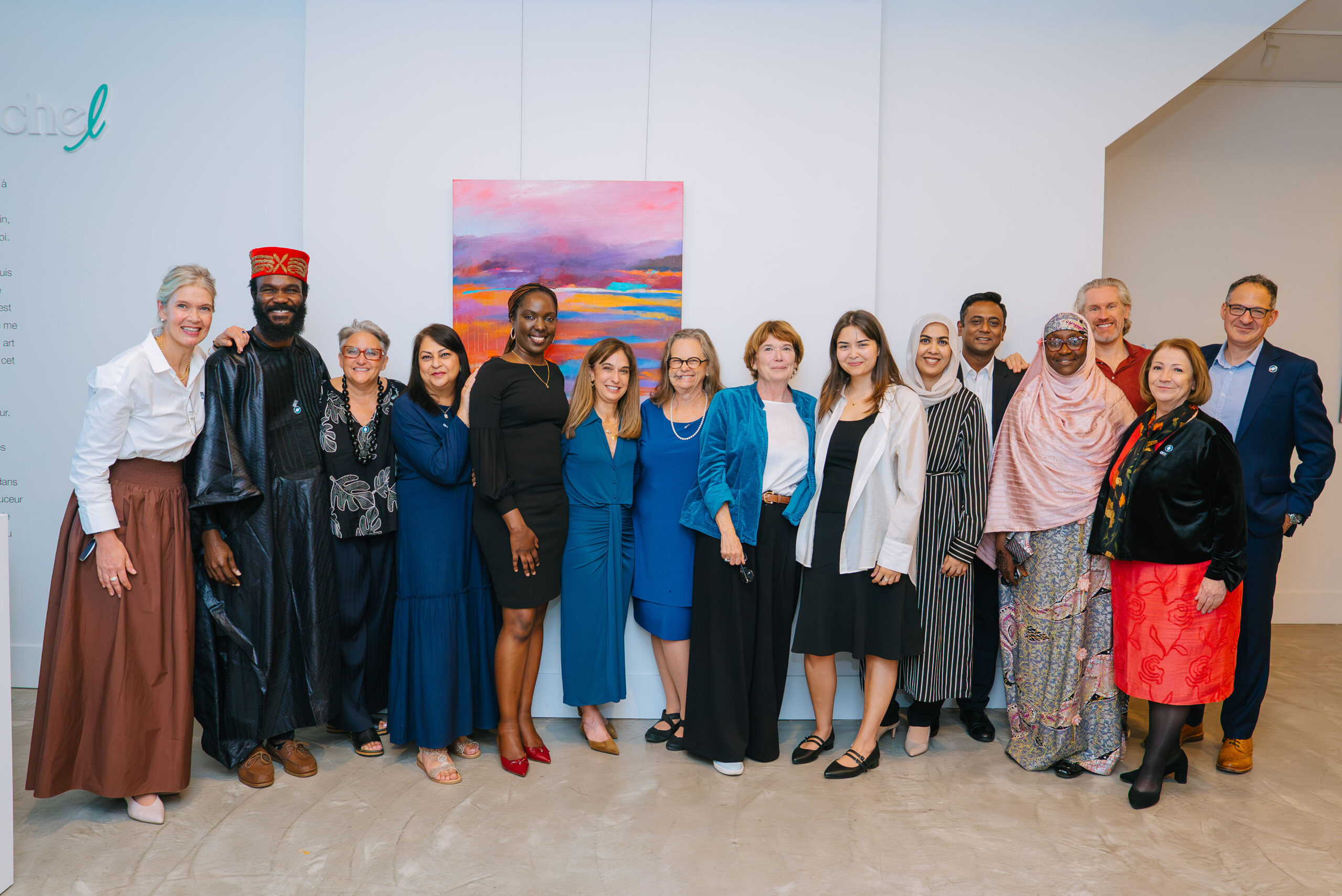
Ten years. Three cities. One shared ambition: a world where no woman is left behind.
As the World Ovarian Cancer Coalition marks its tenth anniversary with gatherings in Hong Kong, Montreal and Madrid, we celebrate a global community that has helped bring ovarian cancer out of the shadows and look ahead to what we must achieve together.
Over the past decade, we have amplified women’s voices, strengthened the evidence for change and connected advocates, clinicians, researchers and policymakers worldwide. But progress must accelerate: without urgent action, more than 7 million women are projected to die from ovarian cancer by 2050.
Our next decade must turn evidence into lasting change.
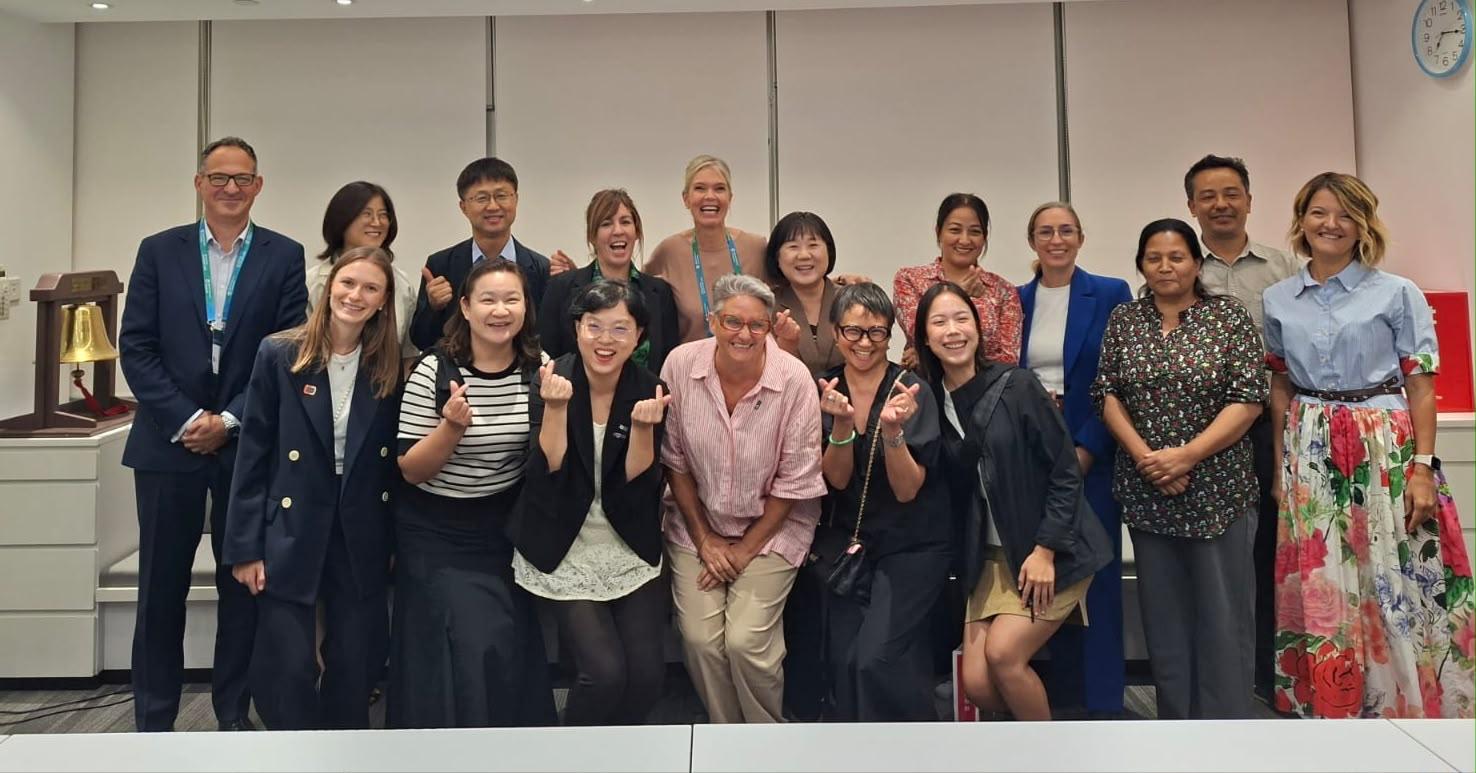
Hong Kong: the power of partnership
At the UICC World Cancer Congress, our anniversary activities showed how global ambition becomes local action.
Our first #WOCCat10 gathering brought patient advocacy organisations together to exchange experiences and practical solutions. From influencing reimbursement decisions to expanding access to testing and treatment, advocates demonstrated the power of a connected global community.
We also met colleagues from NICRAT, who are leading an ovarian cancer pilot across six Nigerian states. Informed by women’s experiences in the Every Woman Study™ LMIC Edition, the project addresses barriers to awareness, diagnosis, genetic testing and care.
This is what partnership makes possible: turning women’s experiences into evidence, and evidence into action.
Montreal: the people behind the progress
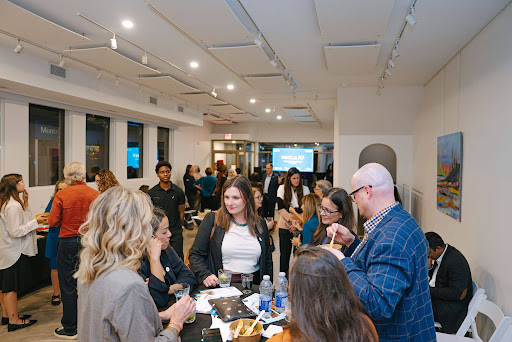
Alongside the International Gynecologic Cancer Society meeting, we celebrated the survivors, advocates, clinicians, researchers, member organisations and partners who made our first decade possible.
At Galerie Atelier Lucie Michel, established in memory of an artist who died from ovarian cancer, we honoured the people and stories behind the progress and the global movement they have built.
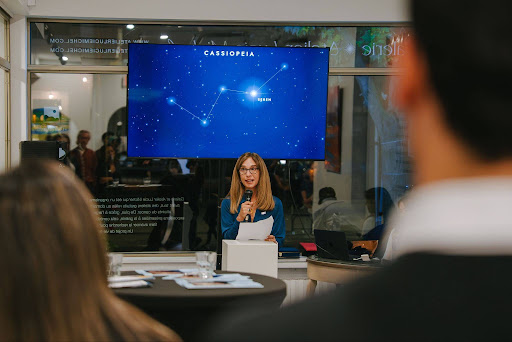
To mark our anniversary, we named a star in Cassiopeia Seren, our guiding star for the decade ahead. It honours the women we have lost, stands with those living with ovarian cancer, and reminds us why we must keep working towards a future where no woman is left behind.
Listening to women has shaped our first decade. It will shape our next.
In recent survivor workshops across four countries, women spoke about the challenges that remain despite advances in treatment: how diagnoses and test results are explained, the impact of early menopause and the fear of recurrence.
Their experiences are already informing the Every Woman Study 2027, which will build on our previous research to measure progress, expose persistent gaps and help drive change.
Madrid: shaping the next decade
Towards the end of October, alongside ESMO 2026, we closed our anniversary season in Madrid with three panels exploring the evidence, advocacy and partnerships needed to improve outcomes for women with ovarian cancer. As our Chair, Robin Cohen said: “The next decade cannot be defined by awareness alone. It must be measured in lives saved, inequities addressed and systems changed.”
The discussions showed what action can achieve. In Kazakhstan, findings from the Every Woman Study™ LMIC Edition helped inform a national cancer plan, with genetic testing and targeted therapy now free for patients. Our members shared further examples: ACTO’s patient charter in Italy, successful treatment reimbursement advocacy in Israel, and ASCO’s support for women in Spain.
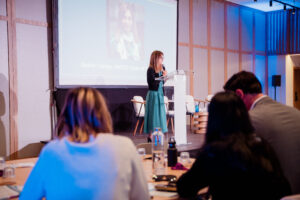
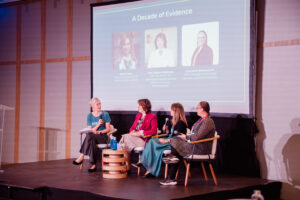
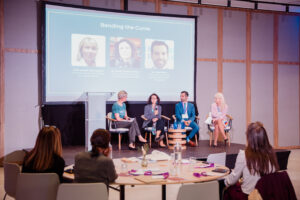
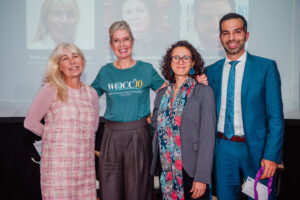
The final panel, Bending the Curve, considered how to build on such progress globally. Dr Isabelle Soerjomataram (IARC) explained that although incidence rates are declining in several high-income countries, the number of ovarian cancer cases is expected to rise worldwide, including in those countries, as populations grow and age. She also highlighted stark inequalities in care; in a multi-country African study, only 4% of women received treatment fully aligned with clinical guidelines, yet those who did achieved survival outcomes comparable to women in high-income countries.
Professor Isabelle Ray-Coquard, outlined how the Lancet Commission on Ovarian Cancer, due to report by the end of 2027, will help identify interventions with the greatest potential to improve outcomes. Dr André Ilbawi (WHO) stressed that evidence alone is not enough: governments need a compelling case for action, supported by champions, partnerships and resources. Madrid marked not just the end of #WOCCat10 but the beginning of our next chapter: connecting evidence, women’s voices and political commitment to make ovarian cancer a global health priority, with solutions responsive to local needs.
Our first decade built a movement. Our next must accelerate change.